
Small Business Cybersecurity:
A Practical Guide to Protect Your Business
Why Cybersecurity Matters for Small Businesses
When most people think about cyberattacks, they picture large corporations making headlines after a major data breach. It’s easy to assume hackers only go after big companies with massive databases and deep pockets.
But the reality is quite different.
Small businesses are often the preferred target because attackers assume security protections may be limited. Today’s cybercrime is largely automated. Criminals use software that scans thousands of websites, email accounts, and networks looking for weak passwords, outdated software, or a single employee who clicks the wrong link.
They’re not necessarily targeting you personally — they’re simply looking for the easiest opportunity.
And unfortunately, it only takes one incident to create real disruption. A compromised email account, locked files from ransomware, or stolen client information can quickly impact daily operations and damage the trust you’ve worked hard to build.
The good news is that strong cybersecurity doesn’t require a full IT department or complicated systems. With the right habits and awareness, even small teams can significantly reduce their risk.
This guide will walk you through the most common cyber threats facing small businesses and the practical steps you can take to protect your business and your clients.

Tammy Sistek
As the creator of TaskVA’s Small Business Cybersecurity Training and a certified cybersecurity professional, I’ve worked with many business owners who assumed they were “too small” to be targeted—until they experienced a phishing attempt or security scare firsthand.
In This Guide
- Why Small Businesses Are Targeted
- Common Cybersecurity Threats
- Essential Cybersecurity Habits
- Quick Cybersecurity Self-Check
- Free Cybersecurity Checklist
- Why Cybersecurity Training Matters
- Industry-Recognized Cybersecurity Certifications
- Practical Cybersecurity
- Closing Thoughts
- Frequently Asked Questions
- Related Cybersecurity Articles
Why Small Businesses Are Targeted
Many small business owners assume their company is too small to attract the attention of cybercriminals. In reality, small businesses are often more appealing targets because attackers expect fewer security protections to be in place.
Cybercrime today is highly automated. Criminal groups use scanning tools that constantly search the internet for vulnerabilities such as outdated software, weak passwords, unsecured Wi-Fi networks, or email accounts that can be easily compromised. These tools don’t necessarily target a specific business—they simply look for the easiest opportunity.
Small businesses frequently become those opportunities.
Limited IT resources, busy staff, and the pressure of daily operations often mean security measures aren’t always top priority. That’s completely understandable—running a business already demands attention in a hundred different directions. Unfortunately, attackers rely on that reality.
Even a minor incident can create a serious disruption.
Some of the most common impacts include:
⇒ Unauthorized access to business email accounts
⇒ Stolen customer or financial data
⇒ Malware or ransomware locking business files
⇒ Fraudulent invoices sent from compromised accounts
Beyond the technical damage, a breach can affect something even more important: client trust. Many small businesses rely on long-standing relationships with their customers, and protecting sensitive information is part of maintaining that trust.
The good news is that most cyberattacks succeed due to simple vulnerabilities rather than sophisticated hacking techniques. Strengthening a few key security habits can dramatically reduce your risk and make your business a far less attractive target.
That’s exactly what the rest of this guide will help you do.
The Most Common Cybersecurity Threats
Phishing
Phishing is one of the most common ways attackers gain access... Open
Weak Passwords
Passwords remain among the most common security vulnerabilities in small businesses... Open
Ransomware
Access to files or systems is blocked until a payment is made to the attacker... Open
Public Wi-Fi Risks
Whenever possible, use a VPN when accessing business-sensitive data and systems... Open
Essential Cybersecurity Habits
Cybersecurity doesn’t have to be complicated or require a dedicated IT department. In many cases, the most effective protection comes from establishing a few consistent security habits across your business.
Click on each of the following practices and learn how you can significantly reduce your risk and help protect both your operations and your clients’ information.
Quick Cybersecurity Self-Check
By this point, you may be wondering how your current security practices measure up.
Many small business owners assume their systems are reasonably secure—until they discover a few gaps they hadn’t considered. Cybersecurity often isn’t about major technical failures. Instead, it’s the small everyday habits that can quietly create vulnerabilities.
Taking a few minutes to review your current security practices can reveal areas that may need attention.
To help with that, I’ve created a short cybersecurity self-assessment designed specifically for small business owners. The quiz highlights common risk areas and provides insight into how well your current protections may be working.
It only takes a few minutes and can help you identify simple steps to strengthen your business security.
Free Cybersecurity Checklist
Cybersecurity can feel overwhelming at first, especially when you’re managing the day-to-day responsibilities of running a business. The good news is that many security improvements come down to simple habits and awareness.
To make things easier, I’ve created a simple cybersecurity checklist designed specifically for small business owners.
This cybersecurity tip sheet highlights key security practices every business should have in place, including password safety, email awareness, secure backups, and other practical steps to reduce common risks.
It’s designed as a simple checklist you can review anytime to ensure your business is following good security practices.
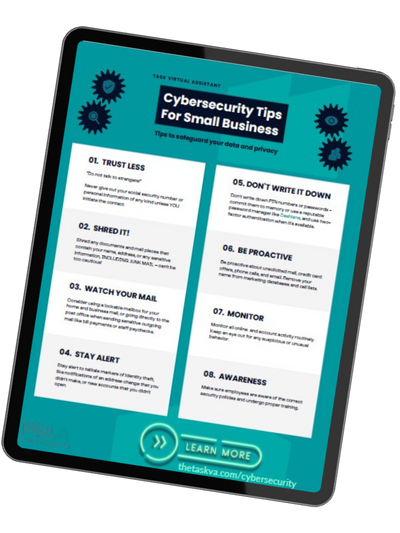
Keep it handy as a reminder of the small actions that can make a big difference in protecting your business.
Why Cybersecurity Training Matters
Technology plays an important role in protecting a business, but many security incidents don’t begin with advanced hacking techniques. They start with simple human mistakes.
An employee clicks a link in a convincing email.
A password is reused across multiple systems.
A fraudulent invoice looks legitimate and gets approved.
These situations happen every day in businesses of every size. Cybercriminals know this, which is why many attacks are designed to exploit human behavior rather than technical vulnerabilities.
Security tools can help block certain threats, but awareness and training are what help people recognize risks before they turn into real problems.
When employees understand how common cyber threats work, they are far more likely to pause, question suspicious messages, and avoid actions that could compromise the business.
For small businesses, even basic cybersecurity education can make a significant difference. A team that understands the warning signs of phishing, password risks, and suspicious activity becomes an active part of the company’s defense.
That’s why many organizations now consider cybersecurity awareness an essential part of protecting their operations, data, and client trust.
Industry-Recognized Cybersecurity Certifications
The cybersecurity guidance shared here isn’t based on theory alone. My work is supported by industry training and certifications focused on real-world threats facing modern businesses.
My certifications cover areas such as phishing prevention, identity-based attacks, ransomware defense, email authentication, and security awareness practices used across organizations today.
If you’d like to see the full list of certifications and learn more about the training behind this guidance, you can view them on the TheTaskVA cybersecurity page.
Practical Cybersecurity
Simple ways to strengthen security in your small business or remote office.
Protecting a business from cyber threats doesn’t always require complex security systems or enterprise-level tools. In many cases, the most effective improvements come from understanding the everyday risks that business owners and remote workers encounter online.
Email accounts, cloud platforms, shared documents, and remote work environments all introduce opportunities for security mistakes—often without anyone realizing it.
To help address these challenges, I created a practical cybersecurity course focused on the real situations small business owners and remote professionals face every day.
The course explains cybersecurity concepts in clear, straightforward language and focuses on practical habits that can help reduce risk when working online. Topics include recognizing phishing attempts, improving password security, protecting sensitive information, and understanding common cyber threats.
The goal isn’t to overwhelm you with technical details. Instead, it’s to provide simple, practical guidance that helps you feel more confident about protecting your business and your data.
 Learn more about Cybersecurity for the Remote Office
Whether you work from a home office, manage a small team, or simply want a better understanding of cybersecurity basics, building stronger awareness is one of the most effective ways to reduce risk.
Protecting Your Business Starts with Awareness
Cybersecurity doesn’t have to be complicated or intimidating. Most successful attacks rely on simple vulnerabilities—weak passwords, rushed decisions, or a convincing email that slips past a busy workday.
By understanding the most common threats and building a few consistent security habits, small businesses can significantly reduce their risk and protect the trust they’ve built with their clients.
Whether you start by reviewing your current security practices, taking the cybersecurity self-check, or strengthening your knowledge through training, every step toward greater awareness strengthens your business.
And in today’s digital world, protecting your business is simply part of running one.
FAQs
Related Cybersecurity Articles
If you’d like to explore these topics in more detail, the following articles provide additional guidance for small business owners:
The Cyber Risks Business Owners Ignore Until It’s Too Late
How Small Businesses Can Outsmart Scammers
Travel Smart: Cybersecurity Tips for Safe Trips
AI Scams & Smart Use: Staying Safe in an AI-Powered World
Cybersecurity for Remote Work: Protect Your Business in a Digital World