
Business

content marketing support

Small Business Marketing Basics for the Non-Marketer

Small Business Marketing Basics for the Non-Marketer

Tammy

If the word marketing makes you feel a little tense, you’re not alone.
For many small business owners, marketing sits in that uncomfortable space between “I know I need to do this” and “I have no idea where to start — or how to keep up.”

Nod your head if this sounds familiar: You’ve tried posting on social media (when you remember or have time), sending emails only when you have something urgent to say, or saving half-written content ideas “for later.”

Do you watch other businesses look polished and consistent while you feel behind?

Here’s the good news:
You don’t need to be a marketer to market your business well. You just need a few solid foundations—and permission to keep things simple.

Let’s walk through the marketing basics every small business owner needs, without overwhelm, complicated strategies, or trying to do everything yourself.

First, let’s start with this mindset shift: Marketing Is Ongoing, Not Occasional.

One of the biggest mistakes small business owners make is treating marketing as an event rather than a system.

Marketing isn’t a one-time post, a random email, or a burst of activity when business feels slow; It’s the quiet, consistent work happening in the background — even when things are busy.

When you accept that marketing works best little by little, it stops feeling so heavy.

Get Clear on Who You’re Talking To (Before You Create Anything)
Before you write a single post or email, you need clarity on one thing:

Who is this for?
× Not “everyone.”
× Not “anyone who might need my services.”
🎯 One specific audience.

Ask yourself:

  1. Who do I enjoy working with most?
  2. What problems do they mention over and over?
  3. What do they struggle with when it comes to time, organization, or growth?

When you speak to one clear audience, your message becomes easier to write — and easier for the right people to recognize themselves in. Clarity beats creativity every time.

Build an Email List You Actually Use
Social media is helpful — but email is where relationships grow.

An email list gives you:

  • Direct access to your audience
  • Control over your message
  • Consistency without chasing algorithms

You don’t need a massive list. You need an engaged one.

Email marketing basics that work:

  • Send one consistent newsletter (weekly or biweekly)
  • Share helpful content, not just promotions
  • Write like a human, not a brand
  • Keep your emails simple and skimmable

Think of email as a conversation, not a campaign.

And if email feels intimidating? That’s okay. It’s one of the easiest things to systemize or delegate once you have a structure in place.

Choose One Social Platform and Show Up Consistently
Trying to be everywhere at once is a fast track to burnout. Instead, choose one platform where your audience already is. Commit to a realistic posting schedule and focus on being helpful, not perfect.

You don’t need:
  × Daily posts
  × Trend chasing
  × Fancy videos

You do need:
  √ Clear messaging
  √ Consistent presence
  √ Content that reflects your expertise

Consistency builds trust. Trust builds business.

Use a Simple Content Calendar (Even a Basic One)
Marketing feels overwhelming when everything lives in your head. A content calendar doesn’t need to be fancy. It just needs to exist.

At its simplest, it answers:

  1. What am I posting?
  2. Where am I posting it?
  3. When is it going out?

Maintaining a content calendar prevents last-minute scrambling and “what should I post today?” stress. Even planning one month at a time can dramatically improve consistency.

And yes — this is an area where support makes a huge difference. When someone helps plan, format, and schedule content, marketing stops being a mental burden.

Repurpose Instead of Reinventing
If you’re creating everything from scratch, you’re working harder than you need to.

One idea can become:

  1. A blog post
  2. Several social posts
  3. An email newsletter
  4. A short tip or graphic

Repurposing keeps your message consistent while saving time.

You don’t need endless ideas — you need a system for using the ones you already have.

What Marketing Actually Needs to Work

Despite what the internet says, successful marketing doesn’t require:

 × Fancy funnels
 × Viral content
 × Constant promotions

It requires:

 🎯 Clarity
 🎯 Consistency
 🎯 Follow-through

That’s it.

For many small business owners, follow-through is the most challenging part—not because they don’t care, but because they’re already juggling everything else.

With client work, admin, and daily operations, marketing often gets pushed aside; that’s where marketing support comes in.

With support:

  • Content gets planned instead of rushed
  • Emails go out consistently
  • Social posts stay aligned with your message
  • Your brand starts to feel polished and intentional
  • You don’t lose your voice — you gain structure around it.

Marketing should support your business, not compete with it.

Ready to build a marketing plan that actually fits your business?


If marketing feels overwhelming, scattered, or constantly unfinished, you don’t need more ideas — you need better systems and support.

I help small business owners simplify their marketing, stay consistent, and show up confidently — without doing everything themselves.

Small Business Marketing Basics for the Non-Marketer Read More »

weekly workflow productivity systems

How to Build a Weekly Workflow That Actually Works

weekly workflow productivity systems

How to Build a Weekly Workflow That Actually Works

Tammy

If you’ve ever created the perfect weekly plan — color-coded, neatly blocked, full of good intentions — only to abandon it by Wednesday… you’re not alone.

Most small business owners don’t struggle because they lack motivation or discipline. They struggle because they’re trying to follow workflows that were never designed for real life.

  • Clients cancel.
  • Emails pile up.
  • Fires pop up out of nowhere.

And suddenly, that carefully planned schedule feels more like a guilt trip than a guide.

The goal of a weekly workflow isn’t perfection…It’s support.

A good workflow helps you:

  • Know what needs to happen (and when)
  • Reduce decision fatigue
  • Protect your energy
  • Make progress without overworking

Let’s walk through how to build a weekly workflow that actually works — one you’ll still be using months from now.

Step 1: Start With How You Actually Work, Not How You Wish You Did

Here’s the mistake I see most often: Business owners plan their weeks based on an ideal version of themselves.

  • The early riser.
  • The nonstop focus machine.
  • The person who never gets interrupted.

That’s not real life.

Before you build a workflow, take a look at:

  1. When you naturally have the most energy
  2. When distractions are unavoidable
  3. How many hours you genuinely have for focused work

Be honest. A realistic plan you follow beats a perfect one you abandon.

Step 2: Identify Your Weekly Non-Negotiables

Every business has recurring tasks that must happen every single week.

These might include:

  • Client work or deliverables
  • Admin tasks (email, scheduling, invoicing)
  • Marketing (blogging, social media, email)
  • Follow-ups and communication
  • Planning and review

Write these down first. These are your anchors — the pieces everything else needs to work around.

If your workflow doesn’t account for these, it will always feel off.

Step 3: Batch Similar Tasks Together

Task switching is one of the fastest ways to drain your focus.

Every time you jump from writing → emailing → scheduling → researching, your brain has to reset. That reset costs time and energy, even if you don’t notice it.

Task batching solves this by grouping similar work.

Examples of smart batching:

  • Write all content in one block
  • Handle email and admin in dedicated windows
  • Schedule social posts all at once
  • Do research in one focused session

Batching helps you move faster without rushing, and it makes work feel lighter.

Step 4: Use Time Blocking — Gently

Time blocking gets a bad reputation because people try to overdo it. Your calendar doesn’t need to be packed from 8:00 a.m. to 6:00 p.m. Instead, think of time blocks as containers, not cages.

Try this:

  • Block 2–3 focus periods per day
  • Leave white space for flexibility
  • Add buffer time between meetings
  • Schedule admin work intentionally

A flexible structure gives your week rhythm without rigidity.

Step 5: Build in Breathing Room (On Purpose)

If your workflow leaves no room for delays, it’s already broken.

Real life happens:

Tech issues
Client questions
Unexpected priorities

When every minute is accounted for, even minor disruptions feel overwhelming.

Add margin.
Protect breaks.
Leave gaps.

Productivity isn’t about squeezing more in — it’s about creating space to respond without stress.

Step 6: Create Simple Systems, Not Complicated Ones

You don’t need a dozen tools to be productive. In fact, too many tools often create more work.

A solid workflow usually includes:

  • One task manager you actually use
  • A calendar you trust
  • Clear places for notes and files
  • Simple templates for repeat tasks

If a system takes longer to manage than the task itself, it’s not helping.

Step 7: Decide What Should Never Be On Your Plate Again

This step is where workflows truly change everything.

Look at your weekly tasks and ask these three questions:

  1. Does this require my expertise?
  2. Could this be handled by someone else?
  3. Is this draining energy I need elsewhere?

If question number 3 is "Yes", you need to delegate.
Common candidates for delegation:

  • Inbox management
  • Scheduling
  • Follow-ups
  • Formatting and posting content
  • Data entry and organization
  • Research and prep work

Delegation isn’t about doing less — it’s about doing what matters most.

Step 8: Review Weekly, Adjust Often

Your workflow isn’t set in stone; life happens.

At the end of each week, take 10 minutes to review:

  1. What worked?
  2. What felt heavy?
  3. Where did time disappear?
  4. What needs to shift next week?

Small adjustments keep your workflow supportive instead of restrictive.

Most workflows fall apart not because they’re poorly designed, but because one person is trying to do everything.

When admin, scheduling, follow-ups, and organization all live on your shoulders, even the best plan becomes fragile.

This is where virtual assistant support makes workflows sustainable. When someone helps manage the moving parts, your workflow stops depending on constant willpower — and starts running smoothly in the background.

If your weeks feel chaotic, overwhelming, or heavier than they should...

...you don’t need another planner — you need better systems and support.

I help small business owners design workflows that fit how they actually work and implement systems that make their days easier—not busier.

Let’s build a weekly workflow that truly works for you.


How to Build a Weekly Workflow That Actually Works Read More »

delegate, business overwhelm, admin support

When to Hire a Virtual Assistant: The 7 Triggers You Can’t Ignore

delegate, business overwhelm, admin support

When to Hire a Virtual Assistant: The 7 Triggers You Can’t Ignore

virtual assistant

Most small business owners don’t wake up one morning and say, “Today feels like the perfect day to hire a virtual assistant.”

Instead, it usually looks more like this:

→You’re answering emails at night.
→You’re squeezing admin work in between client calls.
→Your task list keeps growing, but your energy doesn’t.

And somewhere in the back of your mind, you’re thinking, There has to be a better way.

Spoiler alert:  there is.

Hiring a virtual assistant isn’t a sign that you’ve failed or lost control. It’s a sign that your business has grown — and your systems haven’t caught up yet.

If you’ve been wondering whether it’s “too soon,” “too expensive,” or “too complicated” to get help, let’s clear the air. Here are seven triggers you can’t ignore that tell you it’s time to stop doing everything yourself.

Trigger #1: You’re Always Busy, But Rarely Feel Productive

You’re working all day. Sometimes nights. Occasionally weekends.

And yet…

Important projects stall.

Ideas stay half-finished.

Growth feels slow.

That’s because being busy isn’t the same as being effective.

If your days are filled with reactive tasks — emails, scheduling, follow-ups, formatting, posting — there’s no room left for strategy, planning, or creativity. A virtual assistant helps by handling the operational noise so you can focus on work that actually moves your business forward.

Trigger #2: Your Inbox Is a Source of Stress

If opening your email makes your shoulders tense, we need to talk.

An unmanaged inbox creates:

  • Missed messages
  • Late replies
  • Lost opportunities
  • Constant distraction

And it quietly drains your mental energy all day long.

A virtual assistant can filter, flag, respond, organize, and follow up — turning your inbox from a stress factory into a streamlined communication tool.

This alone is often the first “aha” moment for clients.

Trigger #3: Admin Tasks Are Eating Prime Business Hours

If you’re doing administrative work during your most productive hours, you’re trading high-value time for low-value tasks.

Things like:

  • Scheduling
  • Data entry
  • File organization
  • Research
  • CRM updates
  • Invoicing prep

These tasks matter — but they don’t require you.

A virtual assistant handles the necessary backend work, so your best energy goes toward clients, revenue, and growth.

Trigger #4: You Keep Saying “I’ll Get to That Later”

Marketing plans. Content ideas. System cleanups. Process documentation.

You know they’re important — but they always get pushed to “later.”

Later turns into months.

Months turn into missed opportunities.

A virtual assistant doesn’t just execute tasks — they help create consistency.

When someone else is accountable for moving things forward, “someday” finally becomes “done.”

Trigger #5: You’re the Bottleneck in Your Own Business

If everything has to go through you, everything slows down...YOU are the bottleneck.

That includes:

  • Client communication
  • Decisions
  • Approvals
  • Updates
  • Progress

When you’re the only one keeping things moving, growth becomes exhausting.

Delegation removes the bottleneck. With the right support, work flows smoothly, even when you step away — and that’s when businesses truly become sustainable.

Trigger #6: You’re Avoiding Work You Don’t Enjoy

Let’s be honest — not every task lights you up.

If you find yourself procrastinating on:

→Social media posting
→Email follow-ups
→Organization
→Tech cleanup
→Routine admin

It’s not laziness. It’s misalignment.

A virtual assistant allows you to stay in your zone of genius while someone else handles the work that drains you.

Your business should support you — not the other way around.

Trigger #7: You’re Running on Fumes

This one matters most.

If you’re constantly tired, overwhelmed, or irritable, your business isn’t just costing you time — it’s costing you well-being.

Burnout doesn’t happen overnight. It builds quietly through ignored boundaries and unchecked workloads.

Hiring a virtual assistant isn’t indulgent. It’s protective. And it’s often the difference between burning out and building something that lasts.

If you’re still unsure how a Virtual Assistant can actually help, here are just a few things you can outsource and get out from under the mess:

  • Email and inbox management

  • Calendar scheduling and coordination

  • Client follow-ups

  • Admin organization

  • Content formatting and scheduling

  • Research and data entry

  • Workflow setup and cleanup

You don’t have to outsource everything. You just need to start with what gives you the biggest relief.

Why Waiting Too Long Costs More Than Getting Help

Many business owners delay delegation because they’re worried about cost.

But here’s the real cost:

  • Missed opportunities

  • Delayed growth

  • Exhaustion

  • Lost focus

  • Constant stress

Time is the one thing you can’t get back. The sooner you protect it, the better your business — and life — will feel.

It might be time for a conversation

If any of these triggers felt uncomfortably familiar.

I help small business owners delegate with confidence, build better systems, and finally get out of the chaos— without overwhelm or pressure.

When to Hire a Virtual Assistant: The 7 Triggers You Can’t Ignore Read More »

small business productivity

Time-Saving Resolutions Every Small Business Owner Should Keep in 2026

virtual assistant

January has a funny way of showing up with a lot of energy.

Fresh calendars. Clean notebooks. New promises to finally “get organized,” “stay consistent,” and “do better with time.”

And if you’re a small business owner, you’re probably starting the year with equal parts motivation and exhaustion — because even when business is good, time always feels like the thing you never quite have enough of.

Here’s the truth most productivity articles skip:

❌ You don’t need more hustle.

❌ You don’t need longer days.

❌ You don’t need a new app every week.

What you do need are a few smart, realistic systems that actually support how you work — not some influencer’s 5 a.m. routine.

So instead of vague goals you’ll forget by February, here are five time-saving business resolutions worth keeping in 2026. They’re practical, flexible, and designed for real business owners juggling clients, admin, marketing, and life.

Resolution #1: Stop Letting Your Inbox Run Your Day

Email is one of the biggest time thieves in business — mainly because it feels urgent, even when it isn’t.

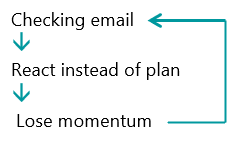
Many business owners live in a constant loop of:

The fix isn’t inbox zero…It’s inbox control.

Try this instead:

  • Check email 2–3 scheduled times per day, not constantly. Create folders or labels for: Action, Waiting, Reference.
  • Use canned responses for common questions.
  • Even better? Delegate inbox management entirely.
  • When someone else filters, flags, and responds appropriately, your inbox stops being a distraction and starts being a tool.

Time saved: 30–90 minutes per day

Mental energy saved: priceless

Resolution #2: Clean Up Your Calendar (And Defend It)

If your calendar is full but nothing significant is getting done, you don’t have a time problem — you have a boundaries problem.

Most small business owners’ calendars are cluttered with:

❌ Meetings that should have been emails

❌ Calls without agendas

❌ No-buffer scheduling = guaranteed stress

Your calendar should reflect priorities, not pressure.

A better approach:

  • Block “focus time” like it’s a client appointment
  • Add buffer zones between meetings
  • Batch similar tasks into dedicated time blocks
  • Schedule admin work intentionally

When your calendar works for you, your days feel calmer — even when they’re busy.

And this is one of those areas where a virtual assistant can quietly change everything: scheduling, rescheduling, confirmations, follow-ups… handled.

Resolution #3: Batch Tasks Instead of Context-Switching All Day

Multitasking feels productive.

It isn’t.

Every time you switch tasks — from email to social media to invoices to client work — your brain has to reset. That reset costs time and focus, even if you don’t notice it.

Task batching is one of the simplest productivity shifts with the biggest payoff.

Examples of Task Batching:

  • Write all social content for the week in one sitting.
  • Handle invoices and admin on one designated day.
  • Group client communication into set windows.
  • Create templates once instead of rewriting from scratch.

Batching reduces decision fatigue and helps you move faster without rushing.

If consistency is your 2026 goal, batching is your secret weapon.

Resolution #4: Automate What Doesn’t Need a Human Brain

Not every task deserves your attention.

If you’re manually doing things that software can handle, you’re donating time you don’t have.

Look for automation opportunities like:

  • Appointment scheduling tools
  • Email autoresponders
  • Invoice reminders
  • Intake forms and onboarding workflows
  • Content scheduling platforms

Automation doesn’t replace human support — it supports it.

The most innovative businesses combine automation with real assistance so nothing slips through the cracks.

Resolution #5: Delegate Before You Burn Out

This is the big one — and the one most business owners resist the longest.

Delegation isn’t about “giving up control.”

It’s about protecting your energy for the work only you can do.

If you’re spending hours each week on:

  • Email management
  • Scheduling
  • Data entry
  • Content formatting
  • Follow-ups
  • Research
  • Admin cleanup

You are operating as the bottleneck in your own business.

A virtual assistant doesn’t just save time — they create breathing room. And breathing room is where growth happens.

You don’t have to outsource everything, but you have to start somewhere.

I hear you asking me why I think these resolutions will actually stick.

My number one reason is that these aren’t dramatic overhauls. They’re small, sustainable shifts that compound over time.

By the end of the year, the difference between “doing everything yourself” and “working with systems and support” is massive — not just in productivity, but in stress levels, clarity, and confidence.

And that’s the real goal.

Not doing more — but doing better.

Let’s Make This the Year Work Feels Easier

If you’re ready to stop spending your days stuck in admin and start focusing on the parts of your business that actually matter, let’s talk.

I help small business owners build smart systems, delegate with confidence, and reclaim their time — without overwhelm or guesswork.

Time-Saving Resolutions Every Small Business Owner Should Keep in 2026 Read More »

productivity systems for business owners

Planning Your 2026 Business Goals to Add Clarity, Space, and Strategy

productivity systems for business owners

Planning Your 2026 Business Goals to Add Clarity, Space, and Strategy

virtual assistant

There’s something special about the “In-Between”. These are the days between Christmas and the New Year.

The decorations are still up...

The calendar feels oddly empty...

And for the first time in weeks, maybe months, you can hear yourself think.

I think of the In-Between as the post-holiday pause.

It’s that quiet window where the pressure of the year has lifted, but the rush of January hasn’t arrived yet. And it’s the perfect time to plan—not in a frantic, resolution-heavy way, but in a thoughtful, grounded one.

Because here’s the truth:

Most business resolutions fail not because they’re unrealistic, but because they’re unsupported.

Big goals without systems? Overwhelm.

Ambition without structure? Burnout.

Plans without space? Frustration.

So instead of making a long list of things you should do in 2026, let’s take a different approach. One that focuses on clarity, shelf space, sanity, and strategy — without setting yourself up for another year of doing everything the hard way.

Start With “What Needs More Space?” (Not More Goals)

Before you think about what you want to add in 2026, ask yourself a simple—and more powerful—question:

Where do I feel cramped right now?

  • Cramped schedules.
  • Cramped inboxes.
  • Cramped workflows.
  • Cramped mental load.

If your business feels tight, heavy, or constantly rushed, adding more goals won’t fix that. Creating space will.

Grab a notebook or open a blank doc and write down everything that feels crowded in your business, what feels heavy, which tasks drain you the most.

These answers tell you more about what 2026 needs than any trendy goal-setting worksheet ever will.

Your Space might look like:

  • Fewer commitments
  • Cleaner systems
  • Better boundaries
  • Delegation
  • A central place for tasks and information

Clarity comes when you stop stacking things on already-full shelves.

Choose 3 Strategic Priorities (Not 15 Resolutions)

January energy is dangerous. It convinces us we can do everything.

  • New offers.
  • New routines.
  • New systems.
  • New habits.
  • New everything.

And by February? Exhaustion.

Instead, anchor your 2026 planning around three strategic priorities. Not tasks. Not vague ideas.

Actual focus areas, such as:

  1. Streamline operations
  2. Increase consistency in marketing
  3. Improve work-life balance
  4. Build scalable systems
  5. Reduce day-to-day admin workload

And don’t worry if something doesn’t support one of those three priorities, it’s not a forever “No”; it’s a “not right now.”

Create a “Home Base” for Your Business

I saw the eyebrows go up, and heard the whispers, Tammy, I think you’re losing it. I work from home! But let me tell you, one of the biggest sources of overwhelm I see (and help clean up) is information scattered everywhere.

❌ Tasks in emails. How do you manage this?

❌ Notes in notebooks. Quick, how many notebooks do you currently have?

❌ Ideas in your phone. How many screenshots of that program you absolutely must have!

❌Deadlines in your head. Seriously? And where's the accountability for this?

That’s not a motivation problem—that’s a systems problem.

Every business needs a home base.

A home base is a single place where:

  • Tasks live
  • Priorities are visible
  • Projects are tracked
  • Notes are stored

It doesn’t have to be fancy; It just has to be consistent. It can be as simple as a paper planner. The key is choosing one and committing to it.

When your brain trusts the system, it stops carrying everything—and that’s where sanity returns.

Build Systems Before You Set Deadlines

Deadlines are motivating… until they’re not. Yes, we’ve all been there. I thrive on the adrenaline rush of beating a deadline, until I don’t.

Have you ever set a goal like:

“I’ll post on social media three times a week.”

“I’ll stay on top of admin this year.”

“I’ll finally organize my business.”

…but didn’t build a system to support it? You already know how that story ends.

Systems turn goals into routines. Rather than saying "I'll try", "I'll Start", "I'll finally", create manageable systems:

  • A weekly admin block on your calendar
  • A content batching process
  • A recurring task list
  • Standard operating procedures (SOPs)
  • Templates for emails, onboarding, and invoicing.

This is where your shelf space comes in. Instead of piling more onto your plate, you’re creating shelves where things belong.

And yes—this is also where a virtual assistant can make a huge difference. Systems are easier to build (and maintain) when you’re not doing it alone. And speaking of doing it alone...

Decide What You’re No Longer Doing Alone

Read that again and again….this might be the most important step.

As your business grows, doing everything yourself stops being a badge of honor—and starts being a bottleneck.

  1. What tasks could someone else handle just as well (or better)?
  2. What keeps pulling you out of your zone?
  3. What do you avoid because it takes too much time?

You may be struggling to stay on top of:

  • Inbox management
  • Scheduling
  • Data entry
  • Client follow-ups
  • File organization
  • Content scheduling
  • CRM updates

Delegation isn’t about giving things up; It’s about giving yourself time back.

And time is the resource that makes every other goal possible.

What do you think 2026 planning is really about?

💥 Perfection?

💥 Hustle?

💥 Doing more?

Absolutely not! (cue the game show buzzer!)

2026 planning is about:

  • Building a business that supports you
  • Creating space to think clearly
  • Using systems instead of willpower
  • Letting go of what no longer fits

So, that quiet week at the end of the year, the In-Between?

It’s a gift. Use it wisely.

Want Help Planning for 2026?

If you’re ready to plan 2026 with intention—but don’t want to build systems, organize tasks, or tackle it all alone—I’d love to help.

As a Virtual Assistant, I support business owners by:

• Creating task systems
• Organizing workflows
• Reducing admin overwhelm
• Setting up a strong foundation for the year ahead

Let’s turn your 2026 goals into something sustainable—and actually achievable.

Planning Your 2026 Business Goals to Add Clarity, Space, and Strategy Read More »

work-life balance during the holidays

Holiday Burnout? Try These 5 Balance-Boosting Tips

Holiday Burnout? Try These 5 Balance-Boosting Tips

thetaskva

The holiday season shows up sparkling, festive, and full of magic — but it also shows up with invoices to send, clients needing last-minute updates, year-end bookkeeping, school events, travel plans, and somehow… a cookie exchange you definitely don’t remember agreeing to.

And if you’re a small business owner, accountant, realtor, or solo entrepreneur?

December doesn’t just show up — it moves in, takes over the guest room, and asks where the hot cocoa is.

Here’s the thing: You deserve a December that feels meaningful, not miserable. A month where you can close out the year with confidence and still say yes to the holiday moments that matter. The trick is to create a balance — one that lets you stay productive without burning yourself to a crisp, like the cookies you forgot were in the oven.

So grab your venti six-shot peppermint mocha latte (zero judgment here), and let’s dig into five practical, doable tips you can use to wrap up the year without sacrificing your sanity.

🎁 TIP 1: Create a “Bare Minimum December” Plan

December is not the time to reinvent your entire business or take on projects with the energy of July. This is a month for clarity, kindness (to yourself!), and simplicity.

And yet, every year I watch business owners — especially us high-achieving types — try to do everything they didn’t get to earlier in the year… in December. That’s how burnout sneaks in, wearing jingle bells.

Instead, create what I call your Bare Minimum December Plan.

Here’s how it works:

  1. List every task you think you need to do this month.
  2. Circle only the truly non-negotiable ones.
  3. Everything else?
    • Delay to January
    • Delegate
    • Delete entirely (yes, you have permission)

Your Bare Minimum Plan becomes your North Star

It also becomes your boundary anchor — because if a new request doesn’t fit your December bandwidth? It’s a “no,” a “not right now,” or a “circle back in January.”

Why this reduces burnout:
It keeps your brain from juggling 42 things at once. Instead, you stay focused on the 7–10 items that genuinely matter. When your expectations settle, stress settles right along with them.

🕯️ TIP 2: Time-Block Your Holiday and Personal Commitments First

This one often surprises people, but it works:

Put your personal plans on your calendar before your business tasks.

  • If your family has a cookie-baking day… block it.
  • If your daughter’s piano recital is on the 19th… block it.
  • If you want a quiet morning with coffee on Christmas Eve… block it.

When you treat personal time like it actually matters, something magical happens:

  • You stop overbooking yourself
  • You protect your energy
  • You avoid that awful “I’m missing everything because of work” guilt
  • Your business tasks naturally expand or contract to fit the time you have

This is the same method I teach my own clients — because you can always find another hour for work, but you can’t get back missed memories.

Pro Tip:
Color-code your calendar so your holiday downtime stands out like little pockets of joy.

📦 TIP 3: Batch Your Year-End Tasks (and Stop Starting from Scratch)

One of the biggest December energy drains is switching between tasks nonstop.

Invoices → gift buying → client follow-ups → shipping → bookkeeping → content… It’s exhausting.

Instead, try batching, a technique that reduces mental friction and helps you get more done in less time.

  • Batch ideas for small business owners:
  • Client updates: Do them all in one session
  • Invoices: One batching block
  • Content scheduling: One afternoon → your December social posts are done
  • Shipping & gifts: Make a list → handle everything in one trip or one online session
  • Bookkeeping: One weekly or bi-weekly batch session until year-end

The more you streamline, the more time you regain. This is where delegation also becomes your secret weapon. (Yes, that’s your cue to hand off something — anything — to a Virtual Assistant.)

🎄 TIP 4: Automate What You Can — Delegate What You Can’t

December is the one month of the year when both automations and virtual assistants shine like holiday lights.

  • Easy automations you can set up in less than an hour:
  • Email autoresponders
  • Holiday hours on your website
  • Social media scheduling (Facebook/Instagram scheduling tools work great)
  • Recurring invoices
  • Calendar booking rules for year-end

Automation = peace of mind when your inbox inevitably starts filling with holiday greetings and last-minute client requests.

But here’s the part many business owners forget: You don’t have to be the one doing everything.

A virtual assistant can help with:

  • End-of-year admin
  • Inbox cleanup
  • Client outreach
  • Data entry
  • Social media scheduling
  • Filing, categorizing, or preparing your Q1 tasks

A good VA saves you time. A great VA gives you your December back.

✨ TIP 5: Build in “Silent Spaces” — White Space for Rest

Let’s talk “Silent Spaces.”

Silent Spaces are intentional pockets of time where…You do absolutely nothing.

You sit.

You breathe.

You sip a warm drink.

You stare at your decorated tree and do not feel guilty about it.
Most business owners spend December sprinting from one thing to the next, telling themselves they’ll rest “later.”

But real rest doesn’t magically happen — you have to create space for it.
Try adding Silent Spaces like:

  • 10 minutes before you open your laptop
  • 15 minutes after lunch
  • A no-meeting Friday
  • A quiet evening ritual with no screens

When you protect whitespace, you protect your energy. And when your energy is protected, burnout doesn’t stand a chance.

🎁 THE REAL SECRET TO A BALANCED DECEMBER

It’s not about doing everything - It’s about doing what matters — with enough breathing room to enjoy the season.

If you can shift from survival mode to intentional mode, December transforms from overwhelming… to meaningful.

And the best part? You get to start January with clarity instead of exhaustion.

BOOK TIME WITH ME

If your December task list is already overflowing or you’re craving support as you close out the year, I’d love to help.

Let’s take a few things off your plate so you can enjoy the season (and avoid burnout).

Let’s make the end of your year a little lighter — and a lot more joyful.

Holiday Burnout? Try These 5 Balance-Boosting Tips Read More »

Procrastinating, overcome procrastination

The Truth About Procrastination: Simple Ways to Break the Cycle

Procrastinating, overcome procrastination

The Truth About Procrastination

Part IV of our Time Management Series

Originally published in 2021. Updated November 2025 for clarity, simplicity, and real-world application.

virtual assistant

Time Isn’t the Problem—Procrastination Is

If you’ve ever caught yourself cleaning, scrolling, or reorganizing your desk instead of doing the one thing you actually need to finish… welcome to the club. Procrastination isn’t laziness — it’s resistance. And for most of us, it shows up in predictable patterns.

This final part of the Time Management Series breaks down the six types of procrastinators (and yes, you can be more than one!) and simple ways to break the cycle so you can take back control of your time.

The 6 Types of Procrastinators — and How to Stop Them

1. The Perfectionist

You wait for the “perfect” moment, draft, or scenario. You rewrite, revise, and tweak endlessly because it never feels “good enough.” 
How to stop: Aim for completion, not perfection. Set firm deadlines and stick to them.

2. The Idealist

You love planning but struggle to start. You wait for inspiration, the right mood, the perfect moment, or a magical burst of motivation.
How to stop: Break tasks into small steps and begin before you “feel ready.”

3. The Worrywart

You focus on worst-case scenarios and get stuck in “what ifs.”New tasks feel scary, unfamiliar, or overwhelming.
How to stop: Plan for obstacles, but don’t live in them. Create a simple action plan and take the first step.

4. The Adrenaline Chaser

You insist you “work best under pressure” and thrive on the adrenaline of a deadline. You rely on that Hail Mary last-minute energy rush to get you through.
How to stop: Give yourself shorter, self-imposed mini-deadlines and reward early progress.

5. The Rebel

You resist rules, deadlines, and expectations — even your own. 
How to stop: Reframe tasks as choices you're making for your own benefit, rather than commands. Change your "To-Do" list to a "Task" list. 

6. The People Pleaser

You say “yes” too often, spread yourself too thin, and end up overwhelmed...even frozen. 
How to stop: Protect your bandwidth. Practice saying “let me check my schedule.” 

How to Tell When You’re Procrastinating

Procrastination often hides in everyday actions:

  • You instantly choose easier tasks over the important ones.

  • You stay “busy” but don’t move closer to your goals.

  • You wait for the “right” moment that never comes.

  • You avoid thinking about the task altogether.

  • You endlessly research, plan, or learn — but never implement.

Awareness is the first step to change.

Simple Ways to Stop Procrastination

⭐ Set SMART Goals

Clear goals tell your brain what matters — eliminating confusion and making it easier to get started.

Plan Your Task List

Break big goals into manageable pieces. Identify urgent tasks and those you can delegate or schedule later. Use daily, weekly, and monthly planning to stay on track.

Break Tasks Down Smaller

Small steps build momentum. Focus on completing one piece at a time - one drawer, one email batch, one client task — not the whole mountain.

Replace Bad Habits with Good Ones

Use triggers that support your goals - small shifts in your habits add up:

  • Move your alarm across the room
  • Schedule your 10K steps first
  • Replace negative thoughts with three positive ones
Visualize “Done”

Picture the end result — how it feels, what you gain, what stress disappears.

Ask Yourself: “What’s the worst that can happen?”

Chances are, the fear isn’t as big as your brain is telling you.

Reward Yourself

Celebrate wins (big and small). Your brain loves incentives — use them.

Procrastination isn’t a character flaw—it’s a habit. And habits can change.
Once you understand your procrastination style and learn how to interrupt the pattern, your time becomes easier to manage — and your days feel a whole lot lighter.

This wraps up our four-part Time Management Series, and I hope it’s helped you build more intention, clarity, and calm into your daily routine.


Don't forget to grab your workbook packed with goal-setting templates, habit trackers, and planning tools to help you stay focused and in control of your time.

Part I – What Is Your Time Vampire

Part II – 12 Steps to Vanquish Your Time Vampires

Part III – Improve Focus and Productivity for Better Time Management

Part IV – The Truth About Procrastination


The Truth About Procrastination: Simple Ways to Break the Cycle Read More »

Time Management, productivity habits

9 Simple Ways to Boost Productivity and Manage Time Better

Time Management, productivity habits

9 Simple Ways to Boost Productivity and Manage Time Better

Part III of the Time Management Series

Originally published in 2021. Updated November 2025 with new strategies and resources to help you sharpen your focus and get more done with less stress.

virtual assistant

Time Isn’t the Problem—Focus Is
Improving your focus and productivity isn’t about cramming more into your schedule—it’s about doing what matters most. With clear goals, thoughtful planning, and a little self-awareness, you can shift from constant busyness to calm control.

In Part III of our Time Management Series, we’ll explore how to set meaningful goals, design task lists that work for you (not against you), and discover your natural productivity rhythm so you can work smarter, not harder.

1. Create and Set Smart Goals

If you want to manage your time better, start by setting the right goals. SMART goals are Specific, Measurable, Achievable, Realistic, and Timely.

When your goals meet these five criteria, it’s easier to plan your steps and stay motivated—because you’ll know exactly what success looks like.

Example SMART Goal:

By February 1, 2026, I will reduce administrative time by 25% so I can focus more on revenue-generating client work. I’ll accomplish this by automating my invoicing system, delegating email management to a virtual assistant, and setting fixed blocks of time for client communication. Progress will be reviewed weekly by tracking hours spent on admin tasks versus client projects.

Breakdown:

  • Specific: Reduce administrative time by streamlining and delegating routine tasks.
  • Measurable: 25% reduction tracked through time logs or task management tools.
  • Achievable: Focused on realistic process improvements and small operational changes.
  • Relevant: Directly supports business growth and client satisfaction.
  • Timely: Target date of February 1, 2026, provides urgency and accountability.

Once you’ve written your SMART goals, it’s time to break them down into actionable steps that fit your business rhythm.

Specific goals lead to productive days.

2. Create Effective Task Lists

Your goals give direction—your task list gives momentum.

If your goal is to reduce administrative time by 25%, your task list should focus on the actions that make that happen — like automating, batching, and delegating.

Here’s how to make your task list work for you, not against you:

  • Use the right tools. Whether it’s a project management app like Asana or ClickUp, or a simple planner, choose what helps you visualize your workload.
  • Write clear, actionable tasks. Replace vague entries like “organize email” with “set up client inbox rules and delegate follow-ups to VA by Friday.”
  • Group by impact. Focus first on revenue-generating or time-saving actions—those that bring you closer to your goal.
  • Keep daily lists short. Each day, choose three priority tasks that move the needle. Overloading your list leads to burnout, not productivity.
  • Set realistic time limits. Block time for focused work, and include small breaks between tasks to reset your energy.

Your task list isn’t a dumping ground—it’s a daily game plan. Each task should connect to a bigger outcome, helping you focus on what actually builds your business and frees your time.

3. Understand What You Need to Focus On

Being busy doesn’t always mean being productive.

Focus on the actions that directly support your goals. Ask yourself:

  1. What results am I expecting from this task?
  2. Does it move me closer to my bigger objective?
  3. Could someone else handle it better or faster?

If you’re unsure, track your results. Like any good experiment, the data will show where your time and energy are best spent.

4. Prepare Your Brain for Each Task

Ever jump from one task to the next without really thinking about it? That’s a focus killer.

Take a minute before each task to reset your mind. Review your “why” and visualize the outcome. This mental preparation sharpens focus and prevents mindless multitasking.

5. PAUSE!

Your brain needs breathing room. Give yourself short breaks between tasks to reset your energy.

Try the Pomodoro Technique: work for 25 minutes, break for 5. After four cycles, take a longer 20-minute break. This simple rhythm helps prevent burnout and keeps your focus fresh all day.

6. Review Your Actions

Reflection is where growth happens.

At the end of each day or week, review:

  1. What worked well?
  2. What didn’t?
  3. Where did my time disappear?

Use your SMART goals as benchmarks. Tracking your results (via planner, app, or your own notes) turns vague feelings of “busy” into measurable progress.

7. Know Your Zone

We all have natural energy cycles. Some people hit their stride early in the morning; others thrive late at night.

Find your peak productivity windows by paying attention to when you feel most alert, creative, or motivated. Once you know your rhythm, schedule your hardest tasks during those hours.

You’ll get more done in less time—and it’ll feel easier.

8. Test and Adjust

The truth is, no system is perfect on the first try.

Test new habits, track results for at least three weeks, and adjust as needed. For example:

  • Could a shorter workout give you the same results?
  • Could you replace a time-wasting task with one that delivers better outcomes?

Efficiency isn’t about cutting corners—it’s about finding what truly works.

9. Know What Makes You Tick

Self-awareness is your most powerful productivity tool.

Ask yourself:

  1. What are my strengths and weaknesses?
  2. What energizes me—and what drains me?
  3. Am I a morning person or a night owl?
  4. What’s my “why”? (As Simon Sinek says, Start With Why.)

When you understand how you operate best, you can structure your day around your natural flow rather than fighting it.

Improving your focus and productivity isn’t about being perfect—it’s about being intentional. When you align your goals, tools, and natural rhythms, time management becomes effortless.

You’ll stop feeling pulled in every direction and start ending each day with the satisfaction of progress and peace of mind.

Ready to turn these strategies into lasting habits?

Download my Time Management Workbook today. It’s packed with guided exercises and planning templates to help you master your focus, build momentum, and make every minute count. And it's FREE.

Part I – What Is Your Time Vampire

Part II – 12 Steps to Vanquish Your Time Vampires

Part III – 9 Simple Ways to Boost Productivity and Manage Time Better

Watch your inbox for Parts IV coming next week.


9 Simple Ways to Boost Productivity and Manage Time Better Read More »

Time management

12 Steps to Vanquish Your Time Vampires

Time management

12 Steps to Vanquish Your Time Vampires

Part II of the Time Management Series

Initially published in 2021. Updated November 2025 with new insights, tools, and a free workbook to help you reclaim your time.

virtual assistant

If you completed Part I, you’ve already identified the sneaky “time vampires” lurking in your day. Now it’s time to take back control.

When you let go of unnecessary time-wasters and focus on what truly matters, you’ll be amazed at how much lighter, more productive, and more in control your life feels. These 12 steps will help you protect your time, boost your focus, and move closer to your goals—without over-scheduling or burnout.

1. Check Your Attitude

Before you tackle your schedule, start with your mindset. If you don’t believe you have control over your time, you won’t take control of it.

Time management begins with recognizing that you decide how you spend your hours. Adopting an abundance mindset—and learning to delegate, automate, or delete tasks that don’t serve you—creates more space for what truly matters.

2. Go to Bed and Get Up at the Same Time Each Day

This may sound simple, but consistent sleep is a superpower. When you wake and sleep on a regular schedule, your body learns to perform at its best.

Seven to nine hours of good sleep isn’t indulgent—it’s fuel. A clear, well-rested mind gets more done in less time.

3. Breathe Before You Begin

Before diving into work, take five minutes to breathe intentionally:
Inhale through your nose for 4 counts → hold 4 → exhale slowly through your mouth for 4.

This quick reset calms your nervous system and prepares your mind for focused work. A deep breath between tasks can be the difference between frantic productivity and intentional action.

4. Organize Tasks by Priority (The Time Matrix)

Not everything deserves the same level of attention. Use the Time Management Matrix—made famous by Stephen R. Covey, who wrote the book "The 7 Habits of Highly Effective People"—to sort your to-dos:

Quadrant Description Examples
1. Important & Urgent Requires immediate action Client deadlines, crises
2. Important & Not Urgent Builds long-term success Planning, relationships, wellness
3. Not Important & Urgent Distracting “now” tasks Emails, calls, interruptions
4. Not Important & Not Urgent True time vampires Scrolling, gossip, busy work

Focus on Quadrant 2—the sweet spot of proactive, purposeful work.

5. Schedule Everything Realistically

Once your priorities are set, plan your day with intention.
Batch errands together, create realistic deadlines, and always leave buffer time.

For example: combine errands to save drive time, or set “email hours” instead of constantly checking. Replace low-value tasks with high-value ones that move you closer to your goals.

6. Delegate More

Delegation isn’t giving up control—it’s claiming back time.

Outsource tasks that drain your energy. Hire a Virtual Assistant (like TaskVA!) to handle routine work, so you can focus on growth. Even small investments—like grocery delivery or scheduling help—can free hours of mental space.

7. Plan Your Day the Night Before

Take 10 minutes each evening to prepare for tomorrow.
Review your accomplishments, carry over unfinished items, and list tomorrow’s top three priorities.

When you wake up, you’ll already know what matters most—and that clarity saves valuable morning energy.

8. Cross Things Off Your List

Checking off a task releases dopamine—a natural motivation boost.

Use a whiteboard, notebook, or sticky notes (my personal favorite!). When you physically cross off or toss a completed note, you’re reinforcing your progress and training your brain to stay consistent.

9. Use Gap Time Wisely

Waiting in line? Sitting in the pickup lane? Use those minutes intentionally.

Keep a short list of “gap-time” tasks—reply to messages, listen to a podcast, review goals, or even take a mindfulness break. When you expect interruptions, they stop being time thieves.

10. Let Go of Guilt

Boundaries aren’t selfish—they’re strategic.

You don’t owe everyone your time. Politely decline calls, texts, or requests that derail your priorities. Guilt drains focus; grace fuels it. Choose peace of mind over people-pleasing.

11. Arrive Early

Plan to arrive 10–15 minutes early for appointments. It prevents stress and gives you time to collect your thoughts.

Use that margin to review notes, breathe, or even meditate—arriving calm instead of rushed keeps your day running smoothly.

12. Be Done When You're Done

Perfectionism is just procrastination in disguise.

Sometimes “good enough” really is enough. Accept completion, let go of the need to tweak endlessly, and move forward. Each finished task frees energy for the next big goal.

Time management isn’t about squeezing more into your day—it’s about making space for what matters most.

When you identify your time vampires and apply these 12 steps, you’ll feel calmer, clearer, and back in charge of your schedule.

Take your productivity to the next level!

Use the workbook and the guides in the Time Management series to build habits that stick, plan with purpose, and finally take back your time.

Part I – What Is Your Time Vampire

Part II – 12 Steps to Vanquish Your Time Vampires

Watch your inbox for Parts III & IV

12 Steps to Vanquish Your Time Vampires Read More »

time management

What Is Your Time Vampire?

What Is Your Time Vampire?

Part I of our Time Management Series

I first wrote this piece a while back when I was battling my own “time vampires.” I’ve given it a 2025 refresh — with updated tips and a downloadable workbook to help you reclaim your day. - TS

Have you ever planned a productive day, only to look up at 3:00 p.m. and wonder—where did all my time go? You know the feeling. You sit down to work, open your laptop, and promise yourself, “Just five minutes on social media.” Before you know it, an hour’s gone, your coffee’s cold, and that project deadline is suddenly staring you down.

Those, my friend, are time vampires—the sneaky little thieves that drain your energy and productivity without you even realizing it.

Time vampires are those sneaky habits, distractions, and activities that quietly drain your energy and productivity. They disguise themselves as harmless “quick tasks” or “necessary breaks,” but left unchecked, they can completely suck the life out of your day.

And just like in the movies, once you invite them in, they’re hard to get rid of.

Why You Need to Identify Time Vampires

Time is the one thing we can’t replenish. You can make more money, get more clients, even buy more tools—but you can’t buy more hours in a day. When you let time vampires run wild, they eat away at your most valuable resource: your focus.

A time vampire is anything that consumes your time without adding real value.

Before you can fix your time management struggles, you have to identify which vampires haunt your day.

Common Time Vampires Lurking in Your Day

Let’s shine a flashlight on some of the most common culprits:

🩸 Social Media Scrolling – That quick check turns into hours of reels and cat videos.
🩸 Email Overload – Constantly checking your inbox makes you counterproductive.
🩸 Meetings Without Purpose – If there’s no clear agenda, it’s probably a waste.
🩸 Multitasking – Doing five things at once makes you less effective.
🩸 Unplanned Interruptions – Calls, texts, pets, and even family can all derail focus.
🩸 Lack of Planning –  You'll wander through your day without clear direction.

These may look different for everyone—but they all have one thing in common: they steal time in small doses until you’re left wondering where the day went.

Be Honest About How You're Spending Your Time

Grab a notebook (or your favorite digital planner) and track your time for a week. Write down everything you do, every switch of attention, every “just a minute” detour.

At the end of each day, look at that list with brutal honesty. Which activities push you closer to your goals—and which ones quietly drain your time and energy? Those are your time vampires.

The Biggest Time Vampires in Business

Through years of working with small business owners, accountants, and realtors, I’ve noticed a few vampires show up again and again:

1.    Not Setting Goals - Without a target, your day gets hijacked by distractions.

2.    Lack of Planning - Working without a plan leads to wasted time and duplicated effort.

3.    Procrastination - Putting off demanding tasks invites stress—and keeps you stuck.

4.    Distractions - Unscheduled calls, “quick questions,” and constant pings can wreck your flow.

5.    Failure to Delegate - Trying to do it all yourself is the ultimate productivity killer.

Set Boundaries & Build Defenses

The good news? Time vampires don’t stand a chance once you shine a light on them. Here are a few quick-start tactics:

  1. Schedule your priorities first. Block out time for what truly matters.
  2. Use timers or focus apps. Try the Pomodoro method (25 minutes of focus, 5 minutes of break).
  3. Batch similar tasks. Handle emails, calls, or errands in clusters.
  4. Just Say No. Protect your focus—especially from non-urgent requests.
  5. Unplug strategically. Turn off notifications during deep work sessions.

Remember, eliminating time vampires isn’t about doing more—it’s about doing better.

YOUR CHALLENGE

Today, identify one time vampire and commit to slaying it. Maybe it’s scrolling, maybe it’s overbooking, maybe it’s perfectionism. Whatever it is—stake it through the heart!

Over the next few weeks, I’ll share practical strategies to manage your time, boost your focus, and protect your energy, because when you take back your time, you take back your business—and your life.

So, what’s your biggest time vampire? Drop it in the comments—I’d love for you to share one thing you’ll slay this week—and check out the November newsletter Spotlight section on Nov 5th!

In the next part of my Time Management Series, we’ll explore practical tools and habits to reclaim your time and rebuild your focus. (Spoiler: garlic not required 🧄).

Ready to stop feeling overworked and start working smarter?

Use our Time Management Workbook along with the guides in this series. Together, they are designed to help small business owners and professionals take back control of their day.


What Is Your Time Vampire? Read More »

email account security

Declutter Your Email Accounts for Better Security

email account security

DECLUTTER YOUR EMAIL ACCOUNTS FOR BETTER SECURITY

virtual assistant

The Digital Clutter We Forget

We’ve all done the spring cleaning thing—shoved old clothes into donation bags, wiped down baseboards, maybe even tackled that drawer full of random cables. We declutter our homes, tidy up our desks, and even go on digital detoxes for social media. But when’s the last time you tidied up your email accounts?

I’m not talking about your inbox (though that could probably use some TLC too). I mean the actual email addresses you own.

Let’s play a game: how many email accounts do you have?

Take a minute. Count them.

I’ll wait.

… Done? Now, be honest—was that number higher than you expected?

For me, it started with a confident “seven.” But then I remembered an old Yahoo address. Oh wait, didn’t I have something on AOL once? And then, oops, a Gmail I created for coupon codes. Before I knew it, the number ballooned to eleven. ELEVEN. Do I need that many? Absolutely not.

The problem is, over time, we collect email accounts like coffee mugs—each with a specific purpose at the time, but eventually they just take up space. And unlike mugs, old email accounts aren’t harmless. They can clutter your life and create real security risks.

So, let’s talk about why you should declutter your email accounts, how to do it step-by-step, and how to create a system that works for you moving forward.

Why Too Many Email Accounts Are a Problem

Security Risks
Inactive accounts are hacker magnets. If you’re not checking them, you’re not seeing suspicious login attempts, password resets, or worse—fraudulent activity. Hackers love squatting in forgotten email accounts because you won’t notice until it’s too late.

Mental Clutter
Every time you forget a login or can’t remember “Which email did I sign up with?”—that’s wasted mental energy. It’s like tripping over boxes in your attic that you keep meaning to organize.

Missed Opportunities
Perhaps you had a subscription tied to an old email address and are now missing reminders, invoices, or updates. It’s easy to lose track when you’ve got accounts scattered all over the place.

Wasted Time
Logging in, searching, resetting passwords—it all adds up. Imagine shaving hours off your digital life by streamlining accounts.

Step 1: Audit Your Email Accounts

Before you start closing accounts, you need to know what you have. Here’s a simple way:

  • Grab a notepad (or open a spreadsheet).
  • Write down every email account you remember.
  • For each, jot down what you think it’s used for.

Don’t be surprised if your list grows as you go. That’s the “oops, forgot about that one” effect in action.

Step 2: Identify the Purpose

Not all accounts are created equal. Ask yourself:

  • Do I still use this?
  • What is it tied to (bank, social media, business tools)?
  • Do I need it, or is it just digital clutter?

You’ll likely find:

  • Primary accounts: The ones you check daily.
  • Special-purpose accounts: For finance, work, or subscriptions.
  • Forgotten relics: Hello, AOL, I see you.

Step 3: Create a Simple System

Here’s what I recommend:

Personal Accounts

  • Personal: Friends, family, personal sign-ups.
  • Finance: Banks, credit cards, taxes.
  • “Junk Stuff”: Online shopping, podcasts, newsletters you want but don’t need cluttering your primary inbox.

Why “junk”? Because nine times out of ten, signing up for that free e-book or store coupon means your address is sold to advertisers. Keep it separate so it doesn’t overwhelm your main account.

Business Accounts

  • Main Business: Client communication, tools, and official use.
  • Admin/Support: If you need a secondary business account, keep it purposeful.
  • Archive: Some business owners prefer to maintain an archive-only account for old contracts or documents, but be cautious— monitor it regularly.

Step 4: Close What Doesn't Serve You

Here’s the golden rule:
If you haven’t touched it in a month, close it.

Before deleting, make sure to:

  • Update important subscriptions or accounts tied to it.
  • Export contacts you may want to keep.

Then hit that delete button and enjoy the rush of digital minimalism.

Step 5: Secure the Ones You Keep

Decluttering is only half the battle. Protect what’s left:

  • Use strong, unique passwords (and a password manager).
  • Enable two-factor authentication (2FA).
  • Check login history regularly.
  • Unsubscribe ruthlessly. If you don’t read it, let it go.

The Cybersecurity Angle

Let’s get real—your forgotten accounts are like unlocked windows in your digital house. Just because you don’t go into the guest bedroom doesn’t mean a burglar won’t.

Hackers target dormant accounts for phishing, fraud, and identity theft. By decluttering, you’re not just streamlining your life—you’re securing it.

This ties directly into what I teach in my Cybersecurity for the Remote Office Course: security isn’t just about firewalls and antivirus. It’s about the everyday habits that keep you safe.

Final Thoughts: Less Is More

Decluttering your email accounts is like taking a deep breath after organizing your closet. Suddenly, things feel lighter. You’re not tripping over old logins or stressing about “where did that email go?” Instead, you’ve got a clean, simple system that serves you.

So, take a weekend, pour yourself a coffee (or a pumpkin spice latte, no judgment), and start tidying up your digital house. Your future self—and your peace of mind—will thank you.

Ready to simplify and secure your digital life?

Start with your email, but don’t stop there. Explore my Cybersecurity for the Remote Office Course and learn how to safeguard every corner of your business.

Declutter Your Email Accounts for Better Security Read More »

human support vs ai

What’s the Difference Between a Virtual Assistant and an AI Assistant?

What’s the Difference Between a Virtual Assistant and an AI Assistant?

The other day I told someone I’ve been helping Virtual Assistants grow their businesses since 2003. Their response?

“Oh, like Siri?”

I had to laugh out loud at that one — but it also made me realize something important.

Apparently, to the younger crowd, “Virtual Assistant (VA)” means an AI bot that sets your reminders, tells you the weather, and maybe plays your sad-girl playlist when you break up with Chad. (Thanks, Alexa.)

But here’s the thing: when I say Virtual Assistant, I mean a real human professional — not a robot in your pocket. And trust me, if you’ve ever hired a Virtual Assistant for your business, you know they’re about as far from Siri as you can get.

This generational language gap is hilarious — and a little concerning. Let’s break it down:

  • Boomers: “Oh, like an executive secretary but online?”
  • Millennials: “My Virtual Assistant helps me manage my inbox, my social media, and my sanity.”
  • Gen Z: “Cool, can your Virtual Assistant order me a burrito like Alexa?”

Somewhere between the early 2000s and today, the definition of Virtual Assistant shifted. And while AI assistants have their place, let’s set the record straight on what a Virtual Assistant really is.

A Short History of the Virtual Assistant Industry

The phrase Virtual Assistant didn’t appear out of thin air. It has roots going back over two decades:

  • 1990s: As internet access improved, entrepreneurs started experimenting with hiring remote administrative support.
  • Early 2000s: The term “Virtual Assistant” was coined to describe skilled professionals offering business services online. (This is when I launched the Virtual Assistant Networking Association in 2003 — we were trailblazers before Zoom was even a thing.)
  • 2011–2014: Siri and Alexa burst onto the scene, and suddenly “Virtual Assistant” meant a chatty robot who sometimes misunderstands you.
  • 2020s: AI exploded into mainstream use (hello, ChatGPT), and now the confusion is everywhere. Businesses Google ‘hire a Virtual Assistant’ and half the results are software bots instead of real people offering Virtual Assistant services.

But here’s the truth: the Virtual Assistant profession was built by humans, for humans. It’s a legitimate, global industry where freelancers provide valuable business support.

What Is a Virtual Assistant, Really?

Let’s get crystal clear.

Virtual Assistant is:

✔️ A real human freelancer who runs their own business.
✔️ Someone who provides Virtual Assistant services like admin support, marketing, customer care, bookkeeping, tech troubleshooting, or project management.
✔️ A professional you can hire to lighten your workload, grow your business, and keep you sane.

Virtual Assistant is NOT:

❌ Siri
❌ Alexa
❌ Google Assistant
❌ ChatGPT (sorry friend, but you’re not invoicing clients anytime soon)

Virtual Assistant Services: What They Can Actually Do

When you hire a Virtual Assistant, you’re hiring a professional who can handle tasks like:

  • Managing your inbox and calendar.
  • Creating content for your blog, newsletters, or social media.
  • Handling customer service requests with actual empathy.
  • Organizing projects and coordinating deadlines.
  • Running marketing campaigns.
  • Bookkeeping, invoicing, and tracking expenses.

In short, a Virtual Assistant keeps your business running smoothly while you focus on growth.

Compare that to asking Siri to book your flight: “Here’s what I found on the web.” Yeah, not the same.

Real Stories of Virtual Assistants in Action

Want proof? Let’s look at what human Virtual Assistants do in the real world:

  • A business owner drowning in 2,000 unread emails hired a Virtual Assistant who set up systems, filtered the junk, and created templates. By the end of the week, the inbox was manageable, and client satisfaction was up.
  • A coach wanted to launch an online course but was overwhelmed with tech. Their Virtual Assistant set up the entire system — from landing pages to payment processors — and the launch doubled expected sales.
  • A small e-commerce shop outsourced customer service to a Virtual Assistant who handled complaints with care. Result? Repeat buyers, glowing reviews, and a lot less stress for the owner.
  • From coaches and consultants to e-commerce shops and busy entrepreneurs, businesses of all sizes hire Virtual Assistants to save time and grow smarter.

Notice the pattern? These are things no bot is going to do well — because they require judgment, personalization, and good old-fashioned human care.

5 Things a Virtual Assistant Can Do That AI Never Will

Let’s get cheeky. Here are five things you can expect from a human Virtual Assistant that no AI bot can deliver:

  1. Read the Room. A Virtual Assistant knows when NOT to send that pitch email because the client is at their mom’s funeral. A bot? Not so much.
  2. Creativity. AI can spit out words, but only a human Virtual Assistant can make them sound like you.
  3. Encourage You. Bots don’t cheer you on. Your Virtual Assistant will send you a GIF and a “you’ve got this!” on launch day.
  4. Handle the Chaos. Three time zones, ten personalities, one looming deadline. AI short-circuits. A Virtual Assistant thrives.
  5. Care. Real, human, heartfelt care. That’s something no code can replicate.

Funny Scenarios: Ask Siri vs Ask a Virtual Assistant

Let’s play a game:

  • Ask Siri to reconcile your books.
    Siri: “Sorry, I don’t understand the word QuickBooks.”
  • Ask Alexa to manage your client relationships.
    Alexa: “Playing ‘Toxic’ by Britney Spears.” 🎶
  • Ask a Virtual Assistant the same questions.
    Virtual Assistant: “Done, organized, and the client just emailed to say thank you.”

See the difference?

Why the Confusion Matters

Here’s where this generational mix-up gets serious.

  • For businesses: If you search “hire a Virtual Assistant” and land on AI bots instead of real professionals, you’re missing out on the support that can actually scale your business.
  • For freelancers: If you’re building a career as a Virtual Assistant, you don’t want to be lumped in with free tech tools. Your expertise deserves recognition and fair pay.

This is why defining and protecting the Virtual Assistant profession is so important.

The Future of Virtual Assistants in the Age of AI

Now here’s the twist: Virtual Assistants aren’t ignoring AI. They’re using it.

In fact, we even teach it inside our AIVAmastery.com course — showing Virtual Assistants how to integrate AI into their businesses so they can save time, serve clients better, and stay ahead of the curve in the Virtual Assistant industry. 💜

The most successful Virtual Assistants today leverage AI to make their services more efficient, creative, and scalable:

  • AI drafts → the VA polishes.
  • AI analyzes → the VA interprets.
  • AI reminds → the VA implements.

Instead of replacing Virtual Assistants, AI is becoming a powerful tool in their toolkit

Businesses win because they get the best of both worlds: cutting-edge tech combined with the human touch.

Virtual Assistants Aren’t Robots — They’re Better

So, let’s clear it up once and for all:

A Virtual Assistant (VA) is not Siri. Not Alexa. Not ChatGPT. A Virtual Assistant is a real human freelancer who runs their own business and supports clients with administrative, technical, and creative services — think calendars and emails, websites and tech, blogs and graphics.

Virtual Assistants aren’t going anywhere. In fact, they’re the ones helping businesses use AI smarter while still providing the empathy, creativity, and strategy no robot can replicate.

So next time someone says, “Oh, you’re like Siri?” smile and say:

“Nope. Better. I’m a Virtual Assistant — a real human helping real businesses thrive.”

💜 And if you want to join the longest-running Virtual Assistant community online (since 2003, thank you very much), come hang out with us at VAnetworking.com.

💜 And if you’re ready to level up your skills with AI, check out our AIVAmastery.com training program built specifically for Virtual Assistants.

What’s the Difference Between a Virtual Assistant and an AI Assistant? Read More »