
Strategic Thinking

business burnout solutions

Know The Signs Of Burnout

business burnout solutions

Your Business Battery isn't Low: It's being Drained

This article is an updated and refreshed version of “Know The Signs of Burnout,” originally shared on July 3, 2023.

Tammy

Our devices show low battery signals: your phone warns you when it's about to die; your laptop flashes 10% and gives you a chance to plug in. But your business? It keeps running… until it doesn't. No warning, no flashing lights.

Most small business owners don't realize they're running on 8% until everything starts to feel heavier than it should. Decisions take longer. Emails feel more annoying. Small tasks feel bigger than they used to. You assume you need more motivation.

But here's the truth: Your battery isn't low because you're lazy or lack motivation; it's low because something is draining it.

And if you don't identify the drain, no amount of coffee, planners, or positive thinking will fix it.

Burnout Isn't About Hours — It's About Energy Leaks

When people hear "burnout," they picture someone working 80-hour weeks, but that's not always the case. Burnout for small business owners usually looks like:

  • Constant context switching
  • Making every decision yourself
  • Handling repetitive admin work you've long outgrown
  • Living inside your inbox
  • Reacting all day instead of leading

Burnout is not about the hours; it's the energy fragmentation. Your business battery drains faster when you make too many small decisions, jump between tasks without systems, or do work that should have been delegated months ago.

There is no "low battery" warning. Burnout is a silent energy drain that most SBOs normalize, such as:

Repetitive Admin That Shouldn't Still Be Yours

Sure, you can schedule appointments, format invoices, and even upload blog posts. But should you still be doing all of it? Every task you repeat weekly without questioning is a potential energy leak.

Let's do a little math (I do love my math!!) How often do you say, "This only takes 10 minutes." Multiply that by 20 tasks. Now, multiply that by mental fatigue. The result is not just wasted time. That's depletion.

Delegation is not about growth; it's actually about sustainability.

Decision Fatigue

Small business ownership is one long series of decisions, and when everything routes through you, your mental battery drains fast.

  • Pricing adjustments
  • Client boundaries
  • Marketing direction
  • Tool subscriptions
  • Email responses

Research consistently shows that excessive decision-making reduces clarity and increases avoidance behaviors. That's when procrastination creeps in — not because you're incapable, but because you're overloaded.

If every client issue, tech hiccup, scheduling conflict, and content tweak lands in your lap, you're not leading—you're absorbing. And absorption is exhausting.

The fix? Clear systems and delegated responsibilities will protect your energy, not just your schedule.

Constant Context Switching

Are you the default for everything? Every time you switch tasks, your brain pays a toll.

Write a proposal --> Answer an email --> Check analytics --> Back to the proposal -->Answer a client call --> Answer an invoice question...

Without structured workflows, your battery drains from friction alone. That's why I talk so often about building systems and weekly workflows that actually work. Structure preserves energy.

Is Your Business Battery Critically Low?

Burnout rarely announces itself dramatically. It whispers, so softly you may not hear it:

  • You avoid checking email.
  • You're procrastinating on tasks you used to handle easily.
  • You feel busy but not productive.
  • You're easily irritated by small requests.
  • You fantasize about "simplifying everything."

None of these means you're failing; it means you're depleted. And depletion is a systems problem — not a personality flaw.

Many small business owners may see it as a phase they need to push through. But pushing through without addressing the drain is like closing background apps while your phone screen stays on full brightness.

It buys time. It doesn't solve the issue.

If you don't identify what's draining you, what can be automated, what can be simplified, and what you can delegate, you'll hit the same wall again and again.

There is hope! You can recharge your business battery (without disappearing for a month). You don't need a retreat, you need a reset.

Here are four realistic ways to recharge strategically:

  1. Schedule One Deep Work Block Per Week

A minimum of one uninterrupted hour to restore clarity and help to reduce the reactive mode. That means no email, no Slack, and no notifications

Your battery recharges when you think — not when you scramble.

  1. Eliminate One Repeating Drain

Pick one weekly task and ask:

    1. Can this be automated?
    2. Can this be documented?
    3. Can this be delegated?

If you need help identifying what that looks like, this is exactly where a virtual assistant can make a difference. You don't have to overhaul everything—start by unplugging one drain.

  1. Build Systems Before You're Desperate

Systems aren't corporate fluff. They're energy insurance.

    • Document how you:
    • Onboard clients
    • Publish content
    • Send invoices
    • Follow up

Clear processes reduce decision fatigue and protect mental bandwidth.

  1. Delegate for Energy — Not Just Time

Delegation - the shift most owners need, but might not be sure what they should delegate. Does that sound familiar? A simple rule:

Don't delegate what you hate. Delegate what drains you. Such as:

    • Email management
    • Blog formatting
    • Social scheduling
    • Admin follow-ups
    • Systems organization

Remember, if it repeatedly interrupts your focus, it's a drain—and drains compound.

Burnout impacts more than your mood. It affects your business performance. Your clients don't need you exhausted; they need you clear. When your battery runs low, errors increase, communication shortens, patience drops, and strategic thinking narrows.

A Quick Business Battery Audit

Rate yourself 1–5 on:

  1. Energy at the start of the day
  2. Energy at the end of the day
  3. Number of tasks you resent
  4. Time spent reacting vs planning

If the pattern shows constant depletion, it's not about trying harder; it's about adjusting what's plugged in.

Here's what I want you to hear clearly:

  • If your business feels heavier than it used to, that doesn't mean you're not cut out for it; it means something needs to change.
  • Sometimes that change is smarter workflows, clearer boundaries, and better systems.
  • You don't have to run on empty; you need to support where you've been carrying too much.

Ready to find your leak?

If you've realized your battery has been flashing red for a while, let's identify what's draining it.

One conversation can uncover:

  • Hidden energy leaks
  • Tasks that no longer belong to you
  • Systems that protect your focus

You don't need to do more, you need to drain less.

Trying to do it all?  Imagine if you could get rid of all the time-wasting tasks that clog up your schedule, and just focus on what matters most to your business. Sounds good, right?

Contact me at Info@thetaskva.com for more information, or schedule a quick 15-minute chat.

Take our quiz and see if you need a helping hand

Know The Signs Of Burnout Read More »

business stuck in a routine

Groundhog Day at Work: Why Your Business Feels Stuck on Repeat

business stuck in a routine

Groundhog Day at Work: Why Your Business Feels Stuck on Repeat

Tammy

You wake up, grab your coffee, open your laptop… and it hits you.

Same emails.
Same fires.
Same half-finished projects staring back at you.

...Different day.

If that sounds familiar, you’re not alone. And no — it’s not because you lack motivation, discipline, or ambition. It’s because somewhere along the way, your business slipped into a rinse-and-repeat cycle.

Welcome to Groundhog Day at work. And before you roll your eyes and think, “Yep, that’s just how business is,” let me stop you right there. Because this cycle isn’t inevitable — and it’s definitely not permanent.

Let’s talk about why it happens, why it’s so hard to break, and what actually helps you step out of it without blowing up your entire business.

How Good Routines Quietly Turn Into Ruts

Routines start with good intentions: You set up systems to stay organized; You create habits to save time; You build processes so things run smoothly.

And then… they stop evolving.

What once helped you move faster now keeps you stuck. The routine becomes rigid. The process becomes outdated. The habit becomes automatic—and not in a good way.

Here’s the sneaky part: Most business owners don’t realize they’re stuck because they’re busy.

Busy feels productive.
Busy feels responsible.
Busy feels like progress.

But busy can also be the clearest sign that something needs to change.

Busy vs. Intentional: The Difference No One Talks About

Let’s clear something up.

Being busy doesn’t mean you’re doing the right things.
It often means you’re doing the same things — over and over — because they’re familiar.

Intentional  work, on the other hand, looks different:

You decide what deserves your time: You question tasks that no longer make sense; You build space to think, not just react.

If your days feel identical, it’s usually because:

  • You’re reacting instead of planning
  • You’re holding onto tasks you’ve outgrown
  • You’re solving the same problems instead of fixing the root cause

That’s not a failure. It’s a signal.

Why January Didn’t Magically Fix Everything (And That’s Okay)

January comes with a lot of pressure: New year. New goals. New systems. New you.

And then real life shows up.

Clients still need things. Emails still pile up. Fires still need to be put out. By mid-January, most business owners quietly fall back into survival mode — not because they didn’t care, but because they didn’t have support.

Here’s the truth:

You can’t change patterns while constantly running inside them.

That’s not a mindset issue. That’s a capacity issue.

The Rinse-and-Repeat Triggers Most Business Owners Miss

If Groundhog Day keeps replaying in your business, one (or more) of these is usually at play:

1. You’re the default for everything

If every task, question, and decision lands on you, repetition is inevitable.

2. You don’t revisit systems once they “work”

What worked last year — or even last quarter — might not work now.

3. You keep postponing “non-urgent” improvements

Process improvements always feel optional… until burnout shows up.

4. You’re holding onto tasks out of habit, not necessity

Just because you can do something doesn’t mean you should.

Sound familiar? Good. That means you’re paying attention.

Small Pattern Breaks That Actually Create Momentum

Breaking the cycle doesn’t require a complete business overhaul. In fact, trying to change everything at once is often what sends people right back into old habits. Instead, focus on small pattern breaks.

Here are a few that work:

Audit one recurring task

Pick a task you do every single week and ask:

  • Why am I still doing this?
  • Does it still need to be done this way?
  • Is this the best use of my time?

Change the order of your day.

Sometimes repetition isn’t about the task — it’s about when you do it. One small shift can reduce mental fatigue.

Document before you delegate

Even a rough outline of how something gets done makes it easier to hand off later.

Decide what you’re through with repeating

This is big. Choose one thing you’re no longer willing to do on autopilot.

Where Delegation Fits When You’re Stuck in Survival Mode

Here’s where many business owners get stuck.

They know delegation would help…
But they feel too busy to explain things.
Or they worry it’ll take longer upfront.
Or they don’t know where to start.

That’s understandable. Delegation can feel overwhelming when you’re already stretched thin.

But here’s the reframe:

Delegation isn’t about adding more work.
It’s about changing the pattern.

When you offload the right tasks:

  • Your days stop feeling identical
  • You get out of constant reaction mode
  • You create space to think, plan, and adjust

That’s how cycles break; Not with motivation. With support.

The Real Cost of Staying on Repeat

Doing the same thing every day doesn’t just cost time, it costs:

  • Energy
  • Creativity
  • Focus
  • Confidence

It slowly convinces you that this is “just how things are.”

They’re not.

Your business can feel lighter, and your days can feel different.
Progress doesn’t have to mean exhaustion.

February Is a Pattern-Breaking Month (If You Let It Be)

February doesn’t carry the pressure January does — and that’s a good thing.

It’s a chance to pause, notice what’s repeating, and decide what you’re ready to change. Not all at once. Not perfectly. Just intentionally.

If your business has been feeling like Groundhog Day, take that as information—not judgment.

Ready to Stop Rinse-and-Repeat?

If you’re tired of feeling like you’re reliving the same workweek on a loop, you don’t have to figure it out alone.

Sometimes all it takes is a conversation to identify:

        • What’s keeping you stuck
        • What can be simplified
        • What doesn’t need to live on your plate anymore

No pressure. No overhaul. Just a more innovative way forward.

Groundhog Day at Work: Why Your Business Feels Stuck on Repeat Read More »

small business productivity

Time-Saving Resolutions Every Small Business Owner Should Keep in 2026

virtual assistant

January has a funny way of showing up with a lot of energy.

Fresh calendars. Clean notebooks. New promises to finally “get organized,” “stay consistent,” and “do better with time.”

And if you’re a small business owner, you’re probably starting the year with equal parts motivation and exhaustion — because even when business is good, time always feels like the thing you never quite have enough of.

Here’s the truth most productivity articles skip:

❌ You don’t need more hustle.

❌ You don’t need longer days.

❌ You don’t need a new app every week.

What you do need are a few smart, realistic systems that actually support how you work — not some influencer’s 5 a.m. routine.

So instead of vague goals you’ll forget by February, here are five time-saving business resolutions worth keeping in 2026. They’re practical, flexible, and designed for real business owners juggling clients, admin, marketing, and life.

Resolution #1: Stop Letting Your Inbox Run Your Day

Email is one of the biggest time thieves in business — mainly because it feels urgent, even when it isn’t.

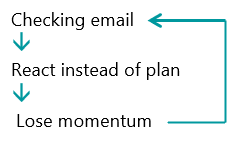
Many business owners live in a constant loop of:

The fix isn’t inbox zero…It’s inbox control.

Try this instead:

  • Check email 2–3 scheduled times per day, not constantly. Create folders or labels for: Action, Waiting, Reference.
  • Use canned responses for common questions.
  • Even better? Delegate inbox management entirely.
  • When someone else filters, flags, and responds appropriately, your inbox stops being a distraction and starts being a tool.

Time saved: 30–90 minutes per day

Mental energy saved: priceless

Resolution #2: Clean Up Your Calendar (And Defend It)

If your calendar is full but nothing significant is getting done, you don’t have a time problem — you have a boundaries problem.

Most small business owners’ calendars are cluttered with:

❌ Meetings that should have been emails

❌ Calls without agendas

❌ No-buffer scheduling = guaranteed stress

Your calendar should reflect priorities, not pressure.

A better approach:

  • Block “focus time” like it’s a client appointment
  • Add buffer zones between meetings
  • Batch similar tasks into dedicated time blocks
  • Schedule admin work intentionally

When your calendar works for you, your days feel calmer — even when they’re busy.

And this is one of those areas where a virtual assistant can quietly change everything: scheduling, rescheduling, confirmations, follow-ups… handled.

Resolution #3: Batch Tasks Instead of Context-Switching All Day

Multitasking feels productive.

It isn’t.

Every time you switch tasks — from email to social media to invoices to client work — your brain has to reset. That reset costs time and focus, even if you don’t notice it.

Task batching is one of the simplest productivity shifts with the biggest payoff.

Examples of Task Batching:

  • Write all social content for the week in one sitting.
  • Handle invoices and admin on one designated day.
  • Group client communication into set windows.
  • Create templates once instead of rewriting from scratch.

Batching reduces decision fatigue and helps you move faster without rushing.

If consistency is your 2026 goal, batching is your secret weapon.

Resolution #4: Automate What Doesn’t Need a Human Brain

Not every task deserves your attention.

If you’re manually doing things that software can handle, you’re donating time you don’t have.

Look for automation opportunities like:

  • Appointment scheduling tools
  • Email autoresponders
  • Invoice reminders
  • Intake forms and onboarding workflows
  • Content scheduling platforms

Automation doesn’t replace human support — it supports it.

The most innovative businesses combine automation with real assistance so nothing slips through the cracks.

Resolution #5: Delegate Before You Burn Out

This is the big one — and the one most business owners resist the longest.

Delegation isn’t about “giving up control.”

It’s about protecting your energy for the work only you can do.

If you’re spending hours each week on:

  • Email management
  • Scheduling
  • Data entry
  • Content formatting
  • Follow-ups
  • Research
  • Admin cleanup

You are operating as the bottleneck in your own business.

A virtual assistant doesn’t just save time — they create breathing room. And breathing room is where growth happens.

You don’t have to outsource everything, but you have to start somewhere.

I hear you asking me why I think these resolutions will actually stick.

My number one reason is that these aren’t dramatic overhauls. They’re small, sustainable shifts that compound over time.

By the end of the year, the difference between “doing everything yourself” and “working with systems and support” is massive — not just in productivity, but in stress levels, clarity, and confidence.

And that’s the real goal.

Not doing more — but doing better.

Let’s Make This the Year Work Feels Easier

If you’re ready to stop spending your days stuck in admin and start focusing on the parts of your business that actually matter, let’s talk.

I help small business owners build smart systems, delegate with confidence, and reclaim their time — without overwhelm or guesswork.

Time-Saving Resolutions Every Small Business Owner Should Keep in 2026 Read More »

productivity systems for business owners

Planning Your 2026 Business Goals to Add Clarity, Space, and Strategy

productivity systems for business owners

Planning Your 2026 Business Goals to Add Clarity, Space, and Strategy

virtual assistant

There’s something special about the “In-Between”. These are the days between Christmas and the New Year.

The decorations are still up...

The calendar feels oddly empty...

And for the first time in weeks, maybe months, you can hear yourself think.

I think of the In-Between as the post-holiday pause.

It’s that quiet window where the pressure of the year has lifted, but the rush of January hasn’t arrived yet. And it’s the perfect time to plan—not in a frantic, resolution-heavy way, but in a thoughtful, grounded one.

Because here’s the truth:

Most business resolutions fail not because they’re unrealistic, but because they’re unsupported.

Big goals without systems? Overwhelm.

Ambition without structure? Burnout.

Plans without space? Frustration.

So instead of making a long list of things you should do in 2026, let’s take a different approach. One that focuses on clarity, shelf space, sanity, and strategy — without setting yourself up for another year of doing everything the hard way.

Start With “What Needs More Space?” (Not More Goals)

Before you think about what you want to add in 2026, ask yourself a simple—and more powerful—question:

Where do I feel cramped right now?

  • Cramped schedules.
  • Cramped inboxes.
  • Cramped workflows.
  • Cramped mental load.

If your business feels tight, heavy, or constantly rushed, adding more goals won’t fix that. Creating space will.

Grab a notebook or open a blank doc and write down everything that feels crowded in your business, what feels heavy, which tasks drain you the most.

These answers tell you more about what 2026 needs than any trendy goal-setting worksheet ever will.

Your Space might look like:

  • Fewer commitments
  • Cleaner systems
  • Better boundaries
  • Delegation
  • A central place for tasks and information

Clarity comes when you stop stacking things on already-full shelves.

Choose 3 Strategic Priorities (Not 15 Resolutions)

January energy is dangerous. It convinces us we can do everything.

  • New offers.
  • New routines.
  • New systems.
  • New habits.
  • New everything.

And by February? Exhaustion.

Instead, anchor your 2026 planning around three strategic priorities. Not tasks. Not vague ideas.

Actual focus areas, such as:

  1. Streamline operations
  2. Increase consistency in marketing
  3. Improve work-life balance
  4. Build scalable systems
  5. Reduce day-to-day admin workload

And don’t worry if something doesn’t support one of those three priorities, it’s not a forever “No”; it’s a “not right now.”

Create a “Home Base” for Your Business

I saw the eyebrows go up, and heard the whispers, Tammy, I think you’re losing it. I work from home! But let me tell you, one of the biggest sources of overwhelm I see (and help clean up) is information scattered everywhere.

❌ Tasks in emails. How do you manage this?

❌ Notes in notebooks. Quick, how many notebooks do you currently have?

❌ Ideas in your phone. How many screenshots of that program you absolutely must have!

❌Deadlines in your head. Seriously? And where's the accountability for this?

That’s not a motivation problem—that’s a systems problem.

Every business needs a home base.

A home base is a single place where:

  • Tasks live
  • Priorities are visible
  • Projects are tracked
  • Notes are stored

It doesn’t have to be fancy; It just has to be consistent. It can be as simple as a paper planner. The key is choosing one and committing to it.

When your brain trusts the system, it stops carrying everything—and that’s where sanity returns.

Build Systems Before You Set Deadlines

Deadlines are motivating… until they’re not. Yes, we’ve all been there. I thrive on the adrenaline rush of beating a deadline, until I don’t.

Have you ever set a goal like:

“I’ll post on social media three times a week.”

“I’ll stay on top of admin this year.”

“I’ll finally organize my business.”

…but didn’t build a system to support it? You already know how that story ends.

Systems turn goals into routines. Rather than saying "I'll try", "I'll Start", "I'll finally", create manageable systems:

  • A weekly admin block on your calendar
  • A content batching process
  • A recurring task list
  • Standard operating procedures (SOPs)
  • Templates for emails, onboarding, and invoicing.

This is where your shelf space comes in. Instead of piling more onto your plate, you’re creating shelves where things belong.

And yes—this is also where a virtual assistant can make a huge difference. Systems are easier to build (and maintain) when you’re not doing it alone. And speaking of doing it alone...

Decide What You’re No Longer Doing Alone

Read that again and again….this might be the most important step.

As your business grows, doing everything yourself stops being a badge of honor—and starts being a bottleneck.

  1. What tasks could someone else handle just as well (or better)?
  2. What keeps pulling you out of your zone?
  3. What do you avoid because it takes too much time?

You may be struggling to stay on top of:

  • Inbox management
  • Scheduling
  • Data entry
  • Client follow-ups
  • File organization
  • Content scheduling
  • CRM updates

Delegation isn’t about giving things up; It’s about giving yourself time back.

And time is the resource that makes every other goal possible.

What do you think 2026 planning is really about?

💥 Perfection?

💥 Hustle?

💥 Doing more?

Absolutely not! (cue the game show buzzer!)

2026 planning is about:

  • Building a business that supports you
  • Creating space to think clearly
  • Using systems instead of willpower
  • Letting go of what no longer fits

So, that quiet week at the end of the year, the In-Between?

It’s a gift. Use it wisely.

Want Help Planning for 2026?

If you’re ready to plan 2026 with intention—but don’t want to build systems, organize tasks, or tackle it all alone—I’d love to help.

As a Virtual Assistant, I support business owners by:

• Creating task systems
• Organizing workflows
• Reducing admin overwhelm
• Setting up a strong foundation for the year ahead

Let’s turn your 2026 goals into something sustainable—and actually achievable.

Planning Your 2026 Business Goals to Add Clarity, Space, and Strategy Read More »

business efficiency and organization tips

Mastering Business Efficiency: Lessons from a DIY Relocation Journey

business efficiency and organization tips

Mastering Business Efficiency: Lessons from a DIY Relocation Journey

virtual assistant

Relocating to a new State can feel like navigating a maze. From the excitement of starting fresh to the challenge of settling into a new environment, the process is full of ups and downs. But did you know that the skills you use to organize your new home can also apply to running a business? That's right! As someone who's recently been through a major move and is in the process of renovating our new home, I've discovered that the same strategies for DIY home renovations can translate into practical tips for improving business efficiency. Let me share how the lessons learned from our recent relocation can help streamline your business operations and boost productivity.

Planning Ahead: The Blueprint for Success

When renovating a new home, the first step is always planning. You wouldn’t jump into tearing down walls without a clear vision of what you want. Similarly, effective business organization begins with a solid plan. Here's how to map out your business blueprint:

Set Clear Objectives

Just as you'd determine the goals of your home renovation (e.g., adding a new kitchen island or updating the bathroom), establish clear objectives for your business. What are your short-term and long-term goals? Are you aiming to increase revenue, streamline processes, or expand your team? By setting clear objectives, you can create a focused strategy that guides your decisions and actions.

Create a Step-by-Step Plan

Breaking down the project into manageable steps helps prevent overwhelm in home renovations. Apply the same principle to your business. Develop a detailed plan that outlines each phase of your project or initiative. For example, if you're implementing a new customer management system, outline the steps from researching options to training your team and integrating the system into your daily operations.

Budget Wisely

Budgeting is crucial whether you’re renovating a kitchen or launching a new marketing campaign. Allocate resources based on priority and need. Be realistic about what you can afford and plan for unexpected expenses. A well-managed budget helps you stay on track and avoid financial stress.

Organizing Resources: From Tools to Teams

Having the right tools and materials is essential for home renovation. The same applies to your business. Organize your resources effectively to maximize efficiency.

Optimize Your Workspace

Just as you'd arrange your tools and materials in a home renovation project for easy access, ensure your workspace is organized. A clutter-free environment promotes productivity and reduces stress. Invest in ergonomic furniture, organize documents digitally, and declutter regularly to create a more efficient workspace.

Utilize Technology

During our move, technology played a crucial role in managing logistics. Similarly, leveraging technology in your business can streamline operations. Use project management software such as ClickUp to track tasks, collaborate with your team, and set deadlines. Implementing automation tools can also help with repetitive tasks, freeing up time for more strategic work.

Build a Strong Team

Just as a renovation requires a skilled team (contractors, electricians, plumbers), your business needs a capable team to function efficiently. Hire individuals with the right skills and expertise. Invest in their development and foster a collaborative work environment. A well-coordinated team can tackle challenges more effectively and drive your business forward.

Time Management: Scheduling and Execution

Efficient time management is crucial both in home renovations and in running a business. Here’s how to keep things on schedule:

Develop a Timeline

In our recent move, creating a timeline was key to staying organized. For your business, develop a realistic timeline for projects and tasks. Use Gantt charts or project management tools to visualize deadlines and track progress. Be sure to build in some flexibility for unexpected delays or changes.

Prioritize Tasks

Just as you’d prioritize which rooms to renovate first, prioritize tasks in your business. Identify high-impact tasks that contribute most to your goals and tackle those first. Use techniques like the Eisenhower Matrix to categorize tasks by urgency and importance, ensuring that critical tasks receive the attention they deserve.

Avoid Procrastination

Procrastination can derail both home renovations and business projects. To combat this, set specific deadlines and stick to them. Break tasks into smaller, manageable chunks to avoid feeling overwhelmed. Celebrate small wins along the way to stay motivated and maintain momentum.

Problem Solving: Navigating Challenges

Challenges are inevitable whether you’re dealing with a renovation setback or a business hurdle. How you handle these challenges can make or break your success.

Adapt and Adjust

During our move, we encountered unexpected issues, like a delayed flooring delivery. Similarly, in business, being flexible and ready to adapt to changes is crucial. If something doesn’t go as planned, reassess your strategy and make necessary adjustments. Being open to change can turn potential setbacks into opportunities for growth.

Learn from Mistakes

Mistakes are part of any renovation project. The key is to learn from them and apply those lessons to future projects. The same goes for your business. Analyze what went wrong, identify the root causes, and implement changes to prevent similar issues in the future. Embracing a growth mindset will help you continuously improve and avoid repeating mistakes.

Seek Help When Needed

Sometimes, tackling a renovation project requires professional assistance. Likewise, don’t hesitate to seek help in your business. Whether it’s consulting with an expert, hiring a mentor, or bringing in additional resources, reaching out for support can provide valuable insights and solutions to complex problems.

Continuous Improvement: Fine-Tuning for Success

Once a renovation is complete, it’s important to review the results and make any necessary adjustments. The same approach applies to your business.

Evaluate Performance

After completing a project or implementing a new process, evaluate its performance. Are you achieving the results you anticipated? Are there areas that need improvement? Regularly reviewing performance metrics helps you identify successes and areas for enhancement.

Solicit Feedback

Feedback from family or friends can provide valuable perspectives on home renovations. In business, seek feedback from clients, team members, and stakeholders. Their insights can help you understand what’s working well and what needs adjustment. Use this feedback to refine your strategies and improve overall efficiency.

Embrace Innovation

Just as home design trends evolve, business practices do, too. Stay informed about new tools, technologies, and methodologies that can enhance your efficiency. Embracing innovation ensures that your business remains competitive and adaptable to changing market conditions.

When you break it down, it’s easy to see how running a business efficiently is much like managing a successful home renovation. Both require careful planning, effective organization, time management, problem-solving, and a commitment to continuous improvement. By applying the lessons learned from our recent relocation to your business, you can create a streamlined operation that fosters productivity and growth.

Embrace these strategies, and you'll find that organizing your business can be as rewarding as transforming a new home into a well-oiled machine. Here’s to a more efficient and organized business!

Ready to Transform Your Business Efficiency?

Just like a successful home renovation can breathe new life into your living space, optimizing your business operations can invigorate your productivity and growth. If you’re looking to streamline your processes, organize your tasks, or need expert help managing your workload, our virtual assistant services are here to support you every step of the way.

Contact us today to discover how our virtual assistant services can improve your business's efficiency and clarity. Let’s turn those renovation-inspired strategies into real results!


Mastering Business Efficiency: Lessons from a DIY Relocation Journey Read More »

Eco Friendly Business Practice

Unlock Growth: How Eco-Friendly Practices Drive Business Success

Eco Friendly Business Practice

Unlock Growth: How Eco-Friendly Practices Drive Business Success

virtual assistant

Are you ready to elevate your business while championing sustainability? Today, we're diving into the world of eco-friendly practices and how they can fuel your business growth. Yes, you heard it right – going green isn't just good for the planet; it's a game-changer for your bottom line. 

Think about the café where you get your morning brew. Sustainability is woven into every aspect of your experience – from compostable cups to recycling bins. How does that make you feel as a customer? It makes me feel pretty great! Well, your customers will feel the same about your business when you go green.

But it's not just about warm and fuzzy feelings; going green can bring tangible financial benefits.

I know what you're thinking. "Going green sounds like a massive undertaking!" Not to worry. Start small, set achievable goals, and gradually integrate eco-friendly practices into your operations. Every step counts!

Ready to get started? Here are some actionable tips:

Energy Efficiency: Investing in energy-efficient appliances, lighting, and heating/cooling systems can lead to significant savings on your utility bills. Plus, you may qualify for rebates or tax incentives for making these upgrades. It’s a win-win!

🌱 Reduce energy costs with LED bulbs. Learn more about energy-efficient lighting options at Energy Star.
Waste Reduction: By reducing waste and implementing recycling and composting programs, you can cut down on disposal costs. Plus, you might find opportunities to repurpose materials or even generate additional revenue through recycling initiatives.

🌱 Digitize your documents and processes to reduce paper waste and streamline your operations. Not only is it better for the environment, but it can also improve efficiency and accessibility.

Supply Chain Optimization: Choosing eco-friendly suppliers and materials can not only reduce your environmental footprint but also streamline your supply chain and potentially lower costs. Plus, consumers are increasingly demanding sustainable products, so going green could give you a competitive edge in the market.

🌱 Streamline operations and reduce costs by choosing eco-friendly suppliers. Join the Green America Business Network to access sustainable supply chain resources.

Brand Reputation: Consumers today are more socially and environmentally conscious than ever before. By aligning your business with sustainable practices, you can attract and retain customers who value ethical and eco-friendly businesses. This positive brand reputation can lead to increased customer loyalty and word-of-mouth referrals.

🌱 Source products made from sustainable materials or with minimal packaging to appeal to environmentally conscious consumers. 

Employee Engagement: Going green can also boost employee morale and productivity. When your team feels proud to work for a company that cares about the planet, they’re more likely to be engaged and motivated. Plus, implementing eco-friendly initiatives can foster a culture of innovation and creativity within your organization.

🌱 Embrace remote work options for your employees to reduce commuting emissions and overhead costs associated with office space. Discover more tips on inspiring your team from Carbon Trust.

Going green isn't just a trend – it's a strategic move that benefits your bottom line and the planet. So, what are you waiting for? Start embracing the green today. Your business, your customers, and the Earth will thank you for it!

Unlock Growth: How Eco-Friendly Practices Drive Business Success Read More »

strategic guide

Seasonal Business Planning: A Strategic Guide for Businesses

strategic guide

Seasonal Business Planning: A Strategic Guide for Small Businesses

virtual assistant

Are you ready to navigate the ever-changing seasonal business trends and market shifts? As someone who's experienced the highs and lows of seasonal fluctuations, I'm here to guide you toward innovation and growth opportunities in your business strategy.

Let's dive into your strategic roadmap:

Analyze Seasonal Trends:

  • Start by examining historical data and market research to identify seasonal patterns in your industry. Look at sales trends, consumer behavior, and competitor strategies.
  • Consider external factors such as holidays, weather patterns, and cultural events that may influence the customer's decisions.
  • Create a calendar outlining your peak seasons, off-peak periods, and transitional phases to guide your strategic planning.

Set Clear Objectives:

  • Define specific goals for each season based on your analysis. Whether boosting sales, introducing new products, or expanding into new markets, establish measurable targets to track your progress.
  • Develop tailored strategies for each season to achieve your objectives, such as adjusting marketing tactics, optimizing inventory management, or running seasonal promotions.
  • Allocate resources effectively to support your seasonal initiatives, whether staffing, budget allocation, or logistical support.

Embrace Innovation:

  • Promote creativity and innovation in your seasonal strategies. Explore unique ways to engage with customers and differentiate your offerings.
  • Consider introducing seasonal product variations, limited-time offers, or themed promotions to capitalize on seasonal trends and capture consumer interest.
  • Leverage cutting-edge tools and platforms, streamline your operations, and boost efficiency.

Adapt to Market Shifts:

  • Stay agile and proactive. Monitor trends and gather feedback to identify opportunities as well as potential threats.
  • Maintain open communication with customers and stakeholders. Listen to their needs and adjust your strategies to stay ahead of the curve.
  • Target new demographics to allow you to accommodate a broader range of clients, increasing your revenue potential and keeping your business competitive.

Pursue Growth Opportunities:

  • Continuously evaluate and refine your seasonal strategies based on performance metrics and feedback.
  • Encourage experimentation and empower your team to embrace change and adapt to evolving market dynamics.
  • Stay informed about industry trends and adopt new technologies. Position yourself as a leader in your field, driving growth and innovation in an ever-changing landscape.

As you embark on your seasonal business planning journey, remember that flexibility and foresight are key. By aligning your business plans with seasonal trends and market shifts, you can confidently navigate the dynamic landscape of entrepreneurship and drive your business toward success.

Seasonal Business Planning: A Strategic Guide for Businesses Read More »

daily planning for small business owners, time management strategies, effective task management, productivity tools for entrepreneurs, time blocking techniques, digital productivity apps, self-care for professionals, optimizing daily workflow, virtual assistant services.

Mastering Daily Planning: A Blueprint for Small Business Owners

daily planning for small business owners, time management strategies, effective task management, productivity tools for entrepreneurs, time blocking techniques, digital productivity apps, self-care for professionals, optimizing daily workflow, virtual assistant services.

Mastering Daily Planning: A Blueprint for Small Business Owners

virtual assistant

Are you tired of feeling overwhelmed by your never-ending task list? As a small business owner, your days are likely filled with a myriad of tasks and responsibilities, making effective daily planning essential for staying on top of things and achieving your goals. Keep reading for actionable strategies tailored purposely to enhance your productivity and get things done.

1. Set Clear Priorities: Effective daily planning starts with setting clear priorities like managing your finances or closing a real estate deal. Identify the most important tasks that align with your business objectives and focus your energy on completing them first. Tools like the Eisenhower Matrix can help you categorize tasks based on urgency and importance, allowing you to allocate your time and resources more efficiently.

2. Utilize Time Blocking: Time blocking is a game-changer for small business owners. You can minimize distractions and maximize productivity by allocating specific time slots for different activities throughout your day. Whether it's client meetings, accounting tasks, or property viewings, dedicating uninterrupted time to each task ensures that nothing falls through the cracks.

3. Embrace Technology: In today's digital age, there's a plethora of productivity tools and apps designed to streamline your daily planning process. From project management platforms like ClickUp and Asana to scheduling apps like Calendly, leveraging technology can help you stay organized, collaborate with team members, and automate repetitive tasks. Incorporating these tools into your workflow can save you time and reduce administrative burden, allowing you to focus on growing your business or serving your clients.

4. Regularly Review and Adjust: Effective daily planning is not a one-size-fits-all solution. As your business evolves and market dynamics change, reviewing and adjusting your planning strategies regularly is important. Take time at the end of each day or week to reflect on what worked well and what could be improved. You can fine-tune your approach and stay ahead of the curve by staying flexible and adaptable.

5. Practice Self-Care: Last but not least, don't forget to prioritize self-care in your daily planning routine. Running a small business, managing the finances, and staying on top of trending marketing can be mentally and emotionally taxing. Make sure to schedule time for activities that recharge your batteries, whether it's exercise, meditation, or spending quality time with loved ones. Remember, caring for yourself is essential for maintaining long-term productivity and well-being.

Are you ready to take your productivity to the next level? Consider hiring a virtual assistant to delegate time-consuming tasks and free up valuable time for high-impact activities. A virtual assistant can handle administrative tasks, manage your schedule, and provide support, allowing you to focus on growing your business and serving your clients better. Learn more today!

Implementing these strategies into your daily planning routine can supercharge your productivity and take your business to new heights. Remember, effective daily planning is not just about checking off tasks—it's about aligning your actions with your goals and priorities so that you can work smarter, not harder.

Consistency is key when it comes to mastering daily planning. Stay committed to implementing these strategies; you'll soon achieve more with less stress. Here's to your success!

Master your daily planning and achieve your goals effortlessly with our FREE Move Forward© Daily Planner, designed to enhance your productivity and keep you focused on what matters most.

Mastering Daily Planning: A Blueprint for Small Business Owners Read More »

How Strategic Thinking Can Transform Your Business

strategic thinking

How Strategic Thinking Can Transform Your Business

virtual assistant

Have you ever wondered what sets thriving businesses apart from those that struggle to survive? The secret often lies in the art of strategic thinking. In today's fast-paced and ever-evolving business landscape, the ability to think strategically can be a game-changer. It's not just a buzzword; it's a proven approach that can reshape your business's future. So, isn't it time you began harnessing the power of strategic thinking?

Why Strategic Thinking Matters

Would you get in your car and drive aimlessly to an unknown destination? Of course not. You would input the destination into your GPS and follow the given route, changing direction when instructed.

Strategic thinking is the GPS that guides your business toward its goals. It's about setting a direction, making informed decisions, and adapting to changing circumstances. It's a proactive approach that allows you to anticipate challenges and seize opportunities.

Let's look more into how strategic thinking can transform your business:

Setting Clear Objectives

Strategic thinking begins with defining clear and achievable objectives. It's about knowing where you want to go and charting a course to get there. By setting specific goals, you provide your team with a sense of purpose and direction.

Informed Decision-Making

In the business world, decisions can make or break you. Strategic thinking involves gathering data, analyzing trends, and making informed choices. It minimizes the risk of making hasty, ill-advised decisions that can lead to costly mistakes.

Adapting to Change

Change is inevitable, especially in today's dynamic market. Strategic thinking equips you to adapt and thrive in changing circumstances. It's about being flexible and adjusting your strategies as needed.

Maximizing Resources

Every business has limited resources. Whether it's time, money, or staffing, strategic thinking helps you allocate these resources efficiently. It ensures that you invest where it matters most.

Staying Competitive

In a competitive landscape, strategic thinking gives you an edge. It allows you to identify trends in the market, differentiate your business, and stay ahead of the competition.

Now that we've highlighted the power of strategic thinking, below are five tips you can start today to implement strategic thinking in your business:

  1. Define Your Vision: Start by clarifying your long-term vision for your business. Where do you see it in five or ten years?
  2. SWOT Analysis: Conduct a SWOT analysis to identify your strengths, weaknesses, opportunities, and threats to provide valuable insights.
  3. Set SMART Goals: Ensure your goals are Specific, Measurable, Achievable, Relevant, and Time-bound.
  4. Create a Roadmap: Develop a strategic plan outlining the steps to achieve your goals.
  5. Regularly Review and Adapt: Monitor market trends and adjust your strategies accordingly. Don't be afraid to pivot if necessary.

Strategic thinking is not a luxury; it's necessary for any business that aspires to succeed in today's competitive landscape. By embracing and implementing this mindset effectively, you can unlock new opportunities, navigate challenges, and transform your business.

So, isn't it time you began your strategic thinking journey? Your business's future might depend on it.

Ready to Transform Your Business with Strategic Thinking?

Download our FREE Strategic Daily Planner. Organize your goals, track progress, and harness the power of strategic thinking to propel your business forward. Don't miss out on this essential tool for success!

How Strategic Thinking Can Transform Your Business Read More »

strategic planning, goal setting

Your Complete Guide to Strategic Task Lists

strategic planning, goal setting

Your Complete Guide To Strategic Task Lists

virtual assistant

Here’s the honest truth for entrepreneurs - your task list will NEVER be complete. There will always be more to do! So how can you manage everything without tasks or projects slipping through the cracks? Use strategic task lists.

Why You Should Use a Strategic Task List

A strategic task list is a list of tasks that can help you achieve your goals. It is a tool that can help you stay organized and focused on what you need to accomplish. It can be used for a variety of purposes and is one of the strongest time-management tools you can have in your arsenal.

Strategic Planning:

Use the list to organize your thoughts and plan out your agenda for the day or week with each item representing an action or project you want to complete.

Goal Setting:

The tasks on the list are those things that support your goals, making it easier to remember what needs to be accomplished in order to reach them.

Resource Management:

This type of task list is often used by people who need reminders about what’s happening at work so they know which meetings they need to attend, identify gaps, and maximize capacity.

Change Your Strategy by Having a Strategic Task List

If you have a task list, you are more likely to complete it within time limits which will lead you to accomplish your goals faster.

With a written strategic task list, you are less likely to be derailed or distracted by small tasks that may not seem urgent but actually are urgent. Being able to identify what needs immediate attention is important for an organization’s success.

When there is clarity about what needs to be accomplished time gaps are eliminated and you achieve maximum productivity levels.

Create the Perfect Strategic Task List

Creating the perfect strategic task is easier than you might think. Following these simple steps will ensure that your task list is effective:

First, do a brain dump! Using a pen and paper, set a timer for 15 minutes. Write down EVERYTHING that you need to do - business and personal. Do not assign deadlines, edit or prioritize yet. When the timer goes off, try to go for another 5 minutes.

Next, prioritize the tasks using the time management matrix:

Urgent + Important: Must do tasks with a clear deadline such as paying taxes, paying bills, completing work on a deadline. If this isn’t done - there is a clear consequence!

Urgent + NOT Important: Time-sensitive tasks that should get done such as replying to your emails, client communication, working with your team. This is an excellent area to automate and systemize.

NOT Urgent + NOT Important: These are tricky tasks because these are the ‘should do’ tasks we say yes to without determining if they really help us reach our goals. Learn to say NO to these tasks. Outsource to another to handle this area.

NOT Urgent + IMPORTANT: This is where you want to play! Focus your time and energy on important revenue-generating tasks such as marketing, sales, or developing new revenue streams.
Many of the tasks should be based on your goals. I find it helpful to keep a printed copy of my goals on my desk, usually in my day planner, for quick reference.

Finally, check your daily task list at night and prioritize the remaining tasks based on what you should be working on first. Create a fresh list every morning pulling forward the unfinished tasks from the day before.

It is important for any organization to have a strategic task list. Whether your company has 1 employee or 100 employees, using strategic lists will help them understand the steps needed to reach the end goal and thus, provide stability and consistency in your strategy.

It is important for any organization to have a strategic task list. Whether your company has 1 employee or 100 employees, using strategic lists will help them understand the steps needed to reach the end goal and thus, provide stability and consistency in your strategy.

To help you get started with your strategic goal planning, grab this FREE Goal Planner:

Your Complete Guide to Strategic Task Lists Read More »

smart goals

Are You Realistic About Your Goals?

smart goals

Are Your Realistic About Your Goals?

virtual assistant

People often struggle in both life and business with the process of goal-setting—more than likely, you’ve read a lot about creating SMART goals. SMART is an acronym for: specific, measurable, attainable, realistic, and timely. SMART goals give direction and focus to your efforts. If your goal is without focus, or if you are unable to tell if it's working, odds are you'll be wasting time.

Let's Be Clear

If there’s one thing that keeps people stuck, it’s a lack of clarity.

You know you want to quit your soul-sucking day job in favor of the freedom of self-employment, but you aren’t clear on the steps to take. You want to take an exotic vacation, but you aren’t sure where to go—or how to make it happen. You want to grow your business but aren’t even sure what that means.

The truth is, with ambiguous “goals” such as these, in five or ten years, you’ll still be right where you’re at today. But with a little clarity, you can achieve any goal you can conceive. The first step is simple, visualize what you want.

Start With A Vision

A vision board is a planning tool that allows you to unleash your creativity and daydream in a tangible format. Vision boards can serve to keep you inspired when boredom strikes and remind you of why you’re working so hard when all you want to do is take a nap. Best of all, creating a vision board is easy—and fun!

Start by collecting images that represent your biggest goals. Gather pictures from magazines, photos from a favorite vacation, ads of products you want to have. I had a postcard from the New Yorker hotel I used to keep pinned on a board above my desk. I looked at it every day and knew I would be there one day. Four months later, I accepted a position at a start-up company in New York City!

Use images, graphics, photos that express what you want. Dollar signs, or a specific figure, to represent your desired bank account balance. Phrases and quotes that inspire you. Add it all to your new vision board.

Your vision board is a living document. Your dreams and goals will change. Some you will achieve and remove from your board to make room for bigger and better dreams. Some you will decide no longer matter, and you’ll trade them for some others. It’s your vision, and it’s entirely up to you what dreams you choose to follow.

Keep your vision board within sight; you’ll be better able to focus on the steps necessary to reach your goals. I keep mine hanging on my wall directly opposite my bed. It’s the first thing I see in the morning and the last thing I see before going to sleep.

Now, Create Your Goals

Using your vision board as your roadmap, create three SMART business goals and at least two SMART personal development goals. Quantitate each goal and include a deadline date. Write your goals out and keep them visible. If this is not feasible, make sure they are easily accessible.

Keep It Real

It’s fun to fantasize about becoming a millionaire or making a high six-figure salary while sitting on the beach. The problem with this is that it’s just not that realistic. It’s not to say that no one has ever done it, but more than likely, they already had tons of resources like money and contacts that allowed them to delegate while they were lying on the beach.

When you come up with a figure or a measure for your goal to track, you want the number to be realistic and not just pulled out of thin air.

To be accurate and realistic about how much you can earn, you need to figure out the order of operations at your business.  How many hours will you have available for clients, and how many hours will be set aside for business administration? A typical 40-hour workweek will probably give you four or five hours billable in a day, and the rest of the time, you’ll need to work on marketing and other aspects of your business. If your billable rate is $40 an hour, that will provide a gross income of $1,000/week. Reduce that by business expenses and personal draw to reach your net income. Will that be enough to sustain and grow your business?

Perhaps you can find other ways to increase your billable hours, such as outsourcing or hiring full-time employees. The main thing is that you should not leave these numbers to chance. Design your entire day and determine what is realistic for your goals in each case. Don’t just pull a number out of the air. Think about the number and how it can happen or not happen before you put it in writing.

Personally Speaking

Use the same process for your personal development goals. Think about what skills you want to improve; how long will it take to develop? Are there classes you can take? A good freelance education source is Freelance University. You can find any skill development course in their extensive library. Now, create a SMART goal. For example, perhaps you want to become more efficient with Excel to maintain your financial plan or even automate some of your tasks. You could write, “By March 1 (or any date you choose), take an Excel course to increase efficiency with some of my business administration tasks.”

Review Your Goals

Now that you’ve taken the time to create some fantastic goals set up a schedule to evaluate your goals. I suggest reviewing your goals quarterly at a minimum. Assess where you are, is the goal progressing as anticipated; are you on track to complete as stated? Make any necessary alterations and note why the changes are required.

Planning and working towards your goals should not be a source of stress if you remember to think about what you want and how you will get there. This step helps clarify expectations and ensures that the goal is SMART and worthwhile.

To help you get started with your strategic goal planning, grab this FREE Goal Planner:

Goals planning

Are You Realistic About Your Goals? Read More »

Outsourcing

Outsourcing: The Key to Success

Outsourcing

Outsourcing: The Key to Success

virtual assistant

Think back to when you first set out to build your accounting business. Do you remember what your “wants” were? For most, whether building a small business or becoming an entrepreneur, the first need, or “want,” was to have a successful business that provided the income you needed without overtaking your life.  Working in the Corporate world was sucking your life away. Sure, you had an awesome career, maybe an excellent salary and title, but at what cost? You were missing out on the joy of life for long commutes and long hours. So you decided to take matters into your own hands.

Fast forward – six months? One year? Five years? Are you enjoying your business success and living that full and rich life, both professionally and personally? If you are, Congratulations! But I’d be willing to bet you are still overworked.  So how do you build that successful business and get everything you want? The key is outsourcing.

My Story

My story is very similar to many independent contractors. I was in the Corporate world, living the dream. I had an excellent, well-established career, a fantastic salary and benefits, and a commute from hell. But I loved my job. Then my company had a corporation-wide restructuring, and I found myself without a job. Trying to land another job in an unstable and volatile employment outlook proved futile and frustrating, so I stopped looking and decided to build my own business. My first thought was, “what do I want to be when I grow up.” After careful deliberation, I knew what would make me happiest would be helping others.   I thrived when I was employed as a secretary, an administrative assistant, and even an assistant manager. I was at my best in these positions because I was helping, I felt needed, and I knew I was making someone’s life a little bit easier.

So I did what makes sense to me, leveraged all my years of experience and skill set, and became a virtual assistant. Now I help accountants and CPAs like yourself with those annoying daily tasks, so you have the time to focus on growing that business you worked hard to build. This is the number one reason why virtual assistants exist and why we outsource our skills to you. Keep on reading to learn how outsourcing helps your business.

How Will Outsourcing Help My Business?

GROW 
Outsourcing can improve your efficiency, cut costs, speed up product creation, and give you time to focus on the important planning and directing that a business owner must do, aside from doing the actual tasks in the business.

BOOST RESOURCES 
Outsourcing adds key resources and skills to your arsenal. No need to learn how to manipulate Excel or take a coding class when you can hire someone to do it when you need it.

SAVE MONEY 
Outsourcing means you pay your independent contractor only when they are working on your tasks, and you do not pay for non-productive hours.

REMOVE BOTTLENECKS 
When you start to outsource tasks in your business, you’ll notice bottlenecks start to clear up, and tasks are being completed more efficiently. Because the truth is, in most small businesses, the bottleneck is the business owner.

FREE UP YOUR TIME 
As a business owner, you have a lot to do, but you don’t have to do it all. You started your business to offer your expertise and your point of difference, not spend your day on mundane and overwhelming tasks. By hiring a virtual assistant, you focus your talent on doing things that only you can do.

IMPROVE CUSTOMER CARE 
The truth is, someone else can probably do some things better than you. Because of that, if you outsource to the right people for the right things, you can improve your offers, thus improving your customer satisfaction dramatically.

How Do I Outsource Successfully?

Before you start the search, define what it is you want to have done. Being clear on the parameters of your project is half the battle. Here are seven tips to help you along:

  1. Know What You Want – Prepare a detailed job or project description highlighting the expected deliverables, timetable, and budget.
  2. Hire More Than One – Outsourcing based on the parts of a project, such as writing, editing, and formatting, may turn out a better product. And bonus, if one gets sick, the project doesn’t come to a halt or fall back on you.
  3. Know Your Budget –  This is a very important step. You need to know the range you are able to pay for the projects you’re trying to outsource.
  4. Do Your Research – Visit their website, check out their social media pages, read their reviews and testimonials. Remember the saying, “if it’s too good to be true, it probably is.” Always check up on anyone you plan to work with, especially if they will be associated with your business name. You would do this if you were hiring an employee, and you should do it anytime you plan to have someone work for your company, no matter the status.
  5. Respect Their Business – Chances are, your independent contract will not be exclusive to you as they are not your employee. How many active clients they have or how they produce your deliverables is not any of your concerns. Use a non-compete statement in your contract to protect your business and clients.
  6. Communicate Regularly and Quickly – A regular touch base is important, especially with long-term projects or retainer bases services such as office admin and management. When your virtual assistant has questions, try to respond back as quickly as possible with the answers.
  7. Pay on Time – This is probably the top three if not the number one complaint most virtual assistants and independent contractors have. If you promise to pay them a certain amount of money for their service, pay them according to your agreement. Don’t hire people if you don’t have the funds to pay at that moment.

Outsourcing is the biggest key to your freedom. Remember that many things you need to be done can be done by someone else. You really can hire experts remotely for a lot less than you think and increase the capabilities of your business fast.

Need a virtual assistant? Schedule a call with me personally! Let's talk about your business and how I can help you.

Not sure what you can outsource to a Virtual Assistant? Download my helpful checklist and discover all the tasks you shouldn't be doing!

Outsourcing: The Key to Success Read More »